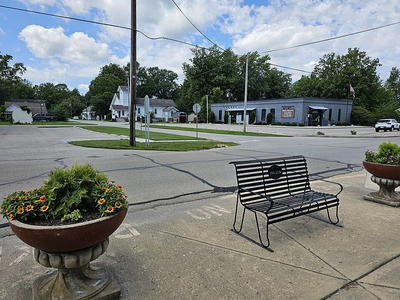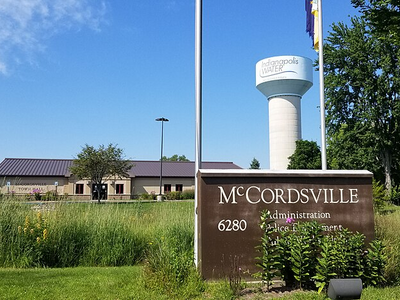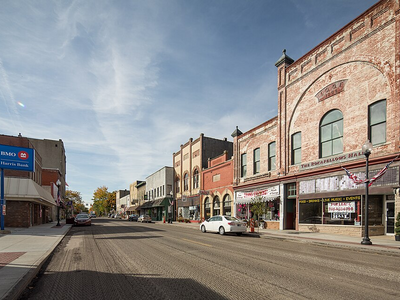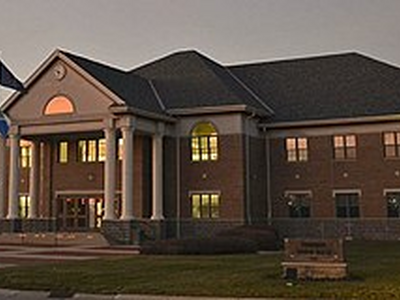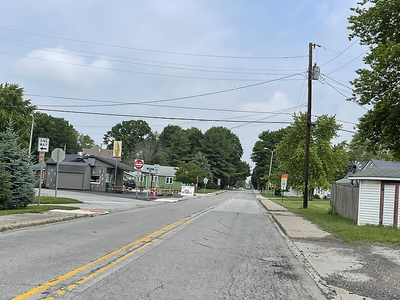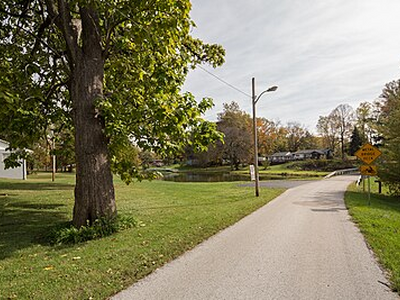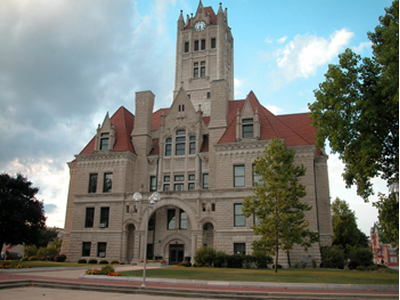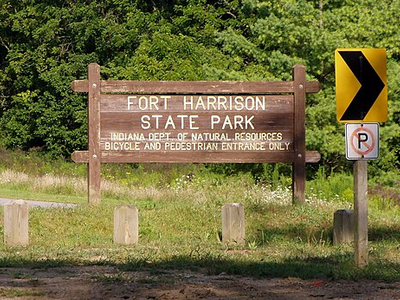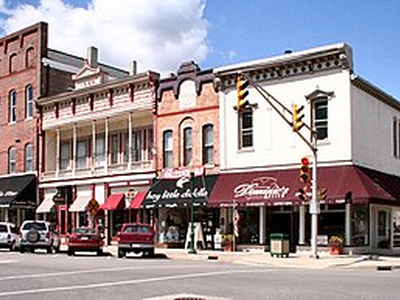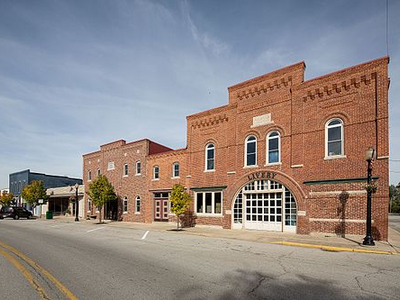
Fortville is located in the heart of Indiana and combines small-town charms with surprisingly many photo opportunities. The historic brick buildings provide a great setting for street photography, while the surrounding parks offer open spaces for landscape shooting. I like Fortville because the lighting conditions here often change quickly and you can catch new moods again and again. For hobby photographers, the city is a easily accessible place where you can experiment without crowds.
I plan to shoot the image that best represents the city – from the first city lights to the deep blue night. The Civil Twilight awakens the village, the lights flicker and the skyline becomes visible. The Golden Hour provides warm, soft light, ideal for portraits in front of the historic town hall. Shortly before Sunset throws the sun long shadow over the Flat Fork Creek, a perfect moment for silhouettes. The Blue Hour is my favorite time for long-term exposures when the blue of the sky is almost magical. On the side of poi‐travel.de there is a map tool that calculates the position of the sun and indicates the direction as a line – azimut values help to determine the exact angle for the image.
The Memorial Park is the heart of the city and houses an imposing monument reminiscent of the veterans. The combination of green areas, a small pond and the historic monument creates a versatile motif that works both in daylight and in dusk. Especially in spring, when the cherry blossoms blossom, a colorful picture is created. The park is centrally located so you can easily move from other locations.
Practical tips: Opening hours are daily from 6 a.m. to 2 p.m., free admission. A tripod and an ND filter are recommended for recordings during the Blue Hour.
Insider tip: On the weekend there is a small concert at the pavilion – which ensures interesting light sources and people in the picture.
The historical district consists of well preserved brick buildings from the 19th century. The narrow alleys and the original facades provide perfect frames for street photography. In the evening hours, when the lanterns arrive, a warm, almost cinematic light is created. The combination of architecture and light makes this place a must for every photo project.
Practical tips: The district is accessible 24 hours a day, parking is available on Main Street. Make sure not enter private property.
Insider tip: An art market takes place on the first Saturday of the month – the stands offer colourful details for close-ups.
The park is located just outside the center but offers a wide river run and several wooden bridges. The water reflects the light of the Golden Hour particularly well, while the surrounding trees provide a warm color play in autumn. For long-term exposures at the Blue Hour, the bridge is a popular spot, because the calm water is blurring the lights.
Practical tips: opening hours from 7 am to 8 pm, free admission. A small parking lot behind the visitor centre is often free.
Insider tip: In the morning there are hardly any visitors – ideal to photograph the water without any reflections.
Although technically located in Fishers, AgriPark is just minutes from Fortville and offers wide fields, a greenhouse and a small farmhouse. The wide areas are excellent for sunset recordings, where the silhouette of tractors and barns is the focus. The greenhouse reflects the light and produces interesting patterns.
Practical tips: opening hours from 8 am to 6 pm, free admission. A location on the western edge of the park is recommended for the best sunset images.
Insider tip: In summer there is a field festival with light chains – which provides additional light sources for night photography.
This nature reserve is a quiet retreat with dense forests and a small creek. The light breakthroughs in the forest create dramatic shadows, especially during the Civil Twilight. For macro photography, the moss surfaces and mushrooms offer interesting textures. The path along the creek is ideal for long-term exposures when the water absorbs the light of the dusk.
Practical tips: access from 6 am to 9 pm, no entry. A small parking lot at the entrance is often occupied – better arrive early.
Insider tip: In autumn, natural frames are formed from falling leaves that emphasize the motif.
Fortville combines historical architecture, open natural spaces and a relaxed little town feeling that gives photographers a lot of creative possibilities. Whether you're looking for the perfect sunset, a quiet blue hour scene or lively street shots – the city delivers. Pack your tripod, use the map tool for the sun position and enjoy the relaxed atmosphere that makes Fortville a rewarding photo travel destination.
With the map tool, you can plan the ideal location for a photo online in advance – taking into account the sun's path and the surroundings.
Here's how it works:
Advantage:
You can assess light, perspective and location before visiting the site – ideal for photography, sunrises and sunsets.
To find the exact point where the sun disappears behind the skyline, use the azimuth display on poi-travel.de. In Fortville, the sun travels further northwest below the horizon in summer, while in winter it takes a more southwesterly angle. With the embedded line on the map, you can determine your tripod position down to the metre.
| Phase | Characteristics | Top attractions in Fortville |
|---|---|---|
| Golden Hour | Warm, soft light shortly after sunrise or before sunset – ideal for portraits and reflective water surfaces. | Flat Fork Creek Park, Fortville Memorial Park |
| Sunset | Intensive, orange light, long shadow – perfect for silhouettes and wide landscapes. | Fishers AgriPark (Grenze to Fortville) |
| Civil Twilight | Insulation light after sunset, still visible ambient lighting – good for atmospheric city recordings. | Thorpe Creek Natural Area, Fortville Historic District |
| Blue Hour | Cool, deep blue light shortly after sunset or before sunrise – ideal for long-term exposures and city lights. | Fortville Memorial Park, Flat Fork Creek Park |
| Photos | Settings (ISO/Blende/Zeit) | Professional tip |
|---|---|---|
| Fortville Memorial Park | ISO 200 – f/8 – 1/125 s (day) / ISO 800 – f/5.6 – 10 s (Blue Hour) | Tripod and ND filters for the Blue Hour; use the monument and pond for reflections. |
| Fortville Historic District | ISO 400 – f/4 – 1/60 s (end) | Start the warm lantern light, watch out for interesting lane frames and avoid private plots. |
| Flat Fork Creek Park | ISO 100 – f/11 – 1/250 s (Golden Hour) / ISO 640 – f/2.8 – 20 s (Blue Hour) | Position on the wooden bridge, use a tripod and, if necessary, an ND filter for long exposures. |
| Fishers AgriPark (Grenze to Fortville) | ISO 200 – f/5.6 – 1/200 s | Choose the western edge for silhouettes of tractors and barns; keep the horizon free. |
| Thorpe Creek Natural Area | ISO 800 – f/4 – 5‐10 s (Civil Twilight) | Use a tripod, focus on light breakthroughs in the forest and experiment with macro details. |
Just a short trip to Carmel and you land in front of a series of modern sculptures that almost seem like random shadows in sunlight. The city looks neat, but the small alleys behind the main roads have a slightly devastated charm that is good for detail shots.
However, Fishers is not just suburban. There is an old railway track lined by wild flowers – an image that is well suited for silhouettes at dusk. Sometimes the light is a bit too bright there, but this can be compensated with an ND filter.
Short drive to Noblesville, and you'll find the White River State Park. The river stretches through wide fields, and in autumn the water reflects the colourful foliage. It's okay, but on weekends it can be a little overrun, so it's better to be there early.
Zionsville looks like a movie set from the 50s. Headstone pavement, old lanterns and a small place where the sun breaks through the trees. The place is quite relaxed, perfect for portraits in vintage look.
Anderson has an old factory site that is now covered by Street Art. The graffiti walls offer bright colors that contrast the rusty metal structures. Sometimes the light is too hard, but that gives the images a rough touch.
A detour to Columbus leads you to the Indiana State University campus buildings. The mix of modern architecture and old brick buildings is a bit chaotic, but you can take advantage of this to find unusual perspectives.
If you like nature, go to Brown County. The hilly landscape, the dense forests and the small villages in between offer almost endless possibilities for landscape and macro photography. The way is sometimes somewhat uneven, but that makes the recordings more authentic.
Villages, towns, districts, places and Vacation destinations you should visit.
©copyright by POI-Travel.de
info@poi-travel.de