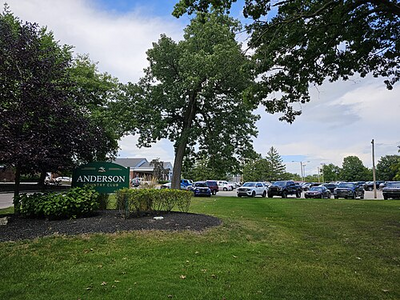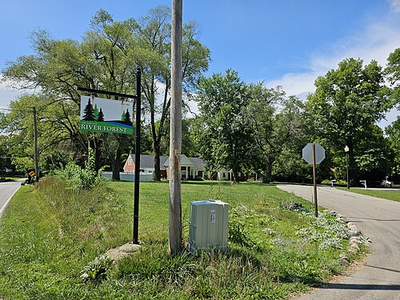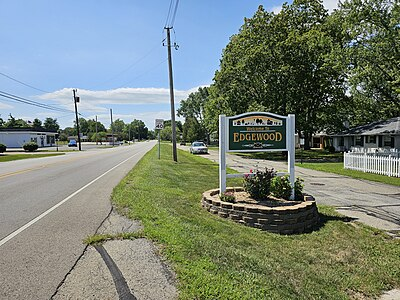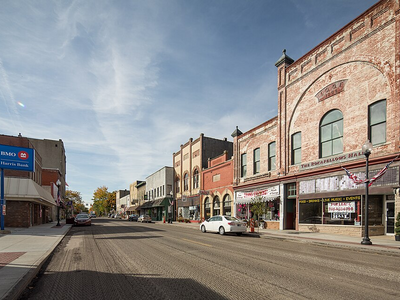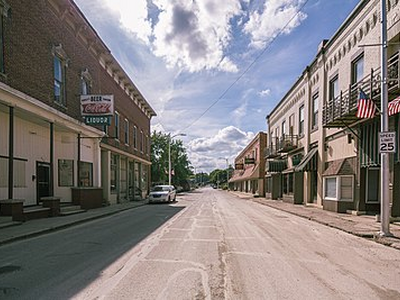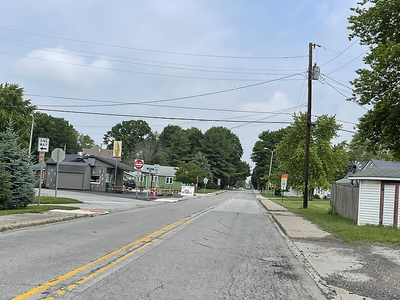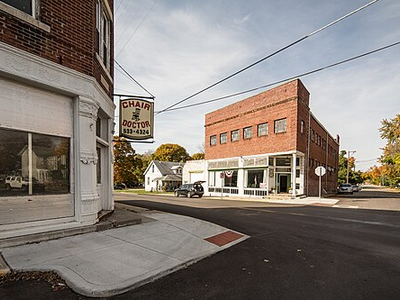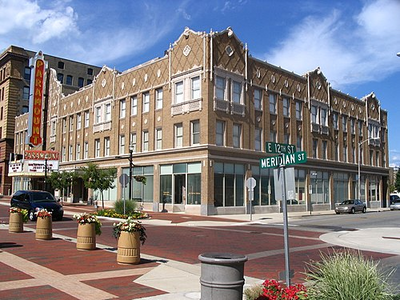
Anderson is located in the heart of Indiana and surprises with a mix of historical architecture and natural surroundings. The city has a surprisingly lively art and culture scene that can be captured well in front of the lens. I like Anderson because people are friendly here and you quickly feel like being part of the happening. There are enough contrasts for photographers – from old brick buildings to large green spaces – to build varied series.
My goal is to take the best picture of the city. The civil twilight, that is, the twilight shortly after sunset, supplies the first urban lights that are reflected in the windows of the old buildings. For the golden hour I use the search term “Anderson Indiana golden hour” in my planning tool to catch the soft, warm light. The actual sunset over the few high-rises of the city center gives dramatic silhouettes. In the blue hour, when the light becomes deep blue, long-term exposures of illuminated bridges and the river can be easily implemented. On this page of poi‐travel.de, a map tool is embedded that calculates the position of the sun and indicates the direction by line – azimut values help to find the perfect angle.
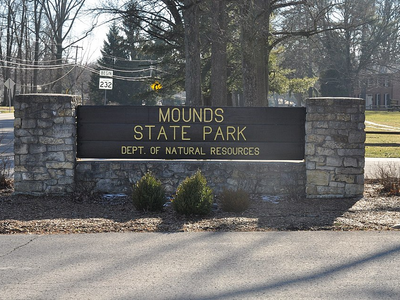
The park is famous for its prehistoric hills and the nature reserve on the White River. The large earthworks offer dramatic silhouettes, especially at sunrise or during the blue hour. Entrance is free, the visitor centre opens from 9 am to 5 pm. For photos, the view from the “Great Mound” is recommended, where you have the riverside in the background. Insider tip: Early in the morning the light is soft and the visitor numbers are low, so you can work undisturbed.
The museum is located in the historic city centre and combines modern art with an impressive red brick facade. The atrium lets natural light in, the interesting shadow throws – ideal for indoor shots. Opening hours: Tuesday to Saturday, 10 am to 5 pm, admission 8 USD. Photographers the work of art “Walking Man – Smilin’ Stan” in the outdoor area during the golden hour when the light brings the metal surface to shine. A local note: The café on the ground floor has a cozy terrace where you can take a few more pictures in bad weather.
This restored Art‐Deco Theatre from the 30s is an architectural highlight. The bright marquee and the curved inner life offer great motifs for night photography. Entrance costs $10 for a tour that starts daily at 11 a.m. The best time for outdoor shooting is the blue hour when the neon light acts against the dark sky. Insider info: Right behind the theatre there is a small alley with graffiti, which forms an urban contrast to the elegant facade.
The central square is surrounded by historic buildings and regularly hosts markets and events. The place is freely accessible, opening hours around the clock. The civil twilight is ideal for photos because the lanterns are just approaching and the water is reflected in the fountain. A local tip: On Wednesday night there is a food truck market where you can taste local snacks in addition to the recordings.
This large metal sculpture at the edge of the city park is a popular photo motif, especially at sunset when the metal glows orange. Access is free, the park is open from 6 am to midnight. The best perspective is from the opposite side where you can catch the silhouette in front of the sky. Insider proof: If you bring a tripod, you can make long exposures during the blue hour and turn the lights of the park into a gentle bokeh.
The park is located on the banks of the White River and offers wide green areas, a small bridge and a historic boathouse. Free admission, opening hours from 7 am to 10 pm. The golden hour above the water produces reflections that are spectacular especially in calm weather. Practical tip: The boathouse has a red roof that serves as a colored anchor for compositions. In the morning the light is soft and the number of visitors is minimal.
A small but well maintained park with a playground, a pond and many trees. The park is free and open from 6 am to 11 pm. For long-term exposures during the blue hour are suitable the illuminated paths that form a beautiful net of light lines. Insider tip: On the south side there is an old oak that looks almost silvery in counterlight – perfect for silhouettes.
Anderson combines historical buildings, living art and extensive green spaces, so you can always find a new motif as a photographer. Whether you want to capture the golden hour over the White River or photograph the city lights during the blue hour – the city provides the right light. And the best thing: the locals are helpful, the costs are low and the photos are not overflowing. Pack your camera and experience Anderson from your own perspective.
With the map tool, you can plan the ideal location for a photo online in advance – taking into account the sun's path and the surroundings.
Here's how it works:
Advantage:
You can assess light, perspective and location before visiting the site – ideal for photography, sunrises and sunsets.
To find the exact point where the sun disappears behind the skyline, use the azimuth display on poi-travel.de. In Anderson, the sun travels further northwest below the horizon in summer, while in winter it takes a more southwesterly angle. With the embedded line on the map, you can determine your tripod position down to the metre.
| Golden Hour | Warm, soft light shortly after sunrise or before sunset | Mounds State Park, Edgewater Park, Anderson Museum of Art |
| Sunset | Dramatic sky, long shadows | The Flame |
| Civil Twilight | Insulation light, city lights begin to shine | Public Square |
| Blue Hour | Deep blue light, ideal for long-term exposures | Paramount Theatre, Horne Park, The Flame |
| Mounds State Park | ISO 200 / f/8 / 1/125 s | Use tripod to clearly capture silhouettes of the hills at sunrise |
| Anderson Museum of Art | ISO 400 / f/5.6 / 1/60 s | Use natural light in the atrium; Reflectors for shadow details |
| Paramount Theatre | ISO 800 / f/2.8 / 10 s | Tripod and wide angle (24 mm) for Neon‐Marquee in the Blue Hour |
| Public Square | ISO 400 / f/4 / 1/80 s | Reflections in the fountain during Civil Twilight capture |
| The Flame | ISO 200 / f/11 / 1/250 s | positioning the motif in front of the sky; Tripod for long-term exposure in Blue Hour |
| Edgewater Park | ISO 100 / f/11 / 1/200 s | Use red boathouse as a colour accent; soft light of the Golden Hour for reflections |
| Horn Park | ISO 800 / f/2 / 15 s | Long-term exposure of illuminated paths for a network of light lines in the Blue Hour |
However, Muncie is only half an hour away and surprised with a mixture of industrial arms and student life. The old factory buildings along the White River offer rough textures, while Ball State's campus site provides surprisingly modern lines – perfect for high-contrast recordings.
In short, Columbus is an architecture lover paradise. The works of Frank Lloyd Wright and other modernists dominate here, showing themselves in clear forms and unusual materials. The city sometimes acts overflowing, but the empty parking spaces in the early morning give you room for calm compositions.
Indiansburg is a bit further, but the skyline on the river is an interesting background for city recordings. Especially the play of light above the Canal Walk is almost cinematic after sunset. The mix of old warehouses and new glass facades creates an exciting field of tension.
Kokomo has some abandoned stations that still seem to carry the echo of past train noises. The rusty tracks and the weathered wood give you the feeling of documenting a piece of history without it being too touristy.
If you're looking for nature, the Brown County State Park is worth a short trip. The woods in autumn turn into a colourful game that is almost too colorful for the eye, but this is exactly what makes interesting picture compositions. The paths are sometimes muddy, so plan enough time.
Eagle Creek Park near Indianapolis offers vast water areas that are almost mirror-smooth in quiet weather. The boats that move past leisurely can serve as dynamic elements in an otherwise silent scene. The park is quite relaxed, but it can be quite crowded on weekends.
Madison am Ohio River has a historical cityscape that is well suited for panoramic views. The old brick building and the bridge over the river create a classic Americana feeling that doesn't look too cheesy as long as you find the right angle.
Westfield and Noblesville are also within reach and offer modern suburbs with wide streets and interesting lighting conditions at dusk. The combination of residential areas and small business roads can be surprisingly photogenic if you focus on details.
Villages, towns, districts, places and Vacation destinations you should visit.
©copyright by POI-Travel.de
info@poi-travel.de