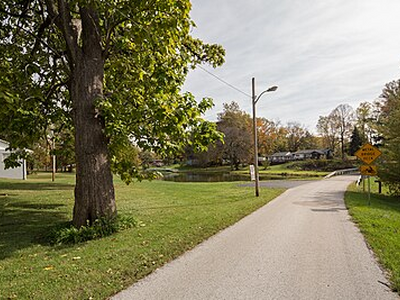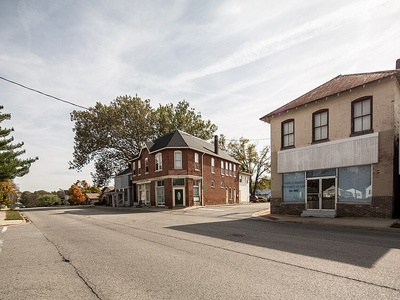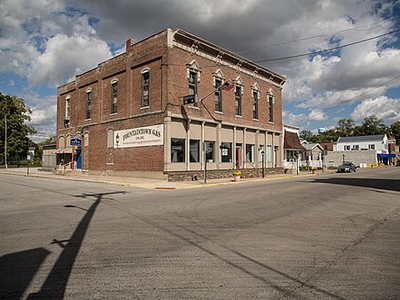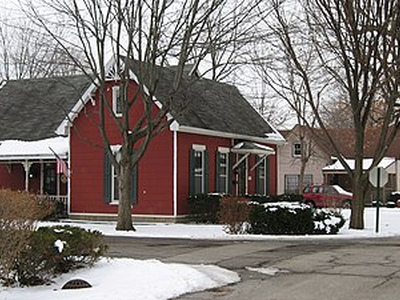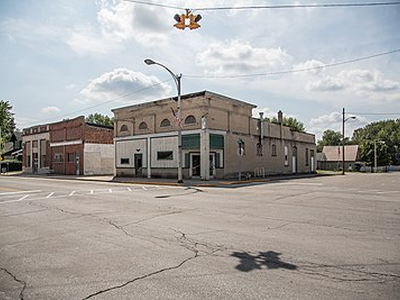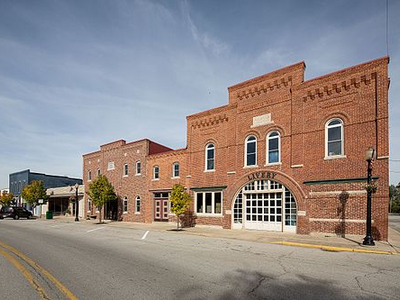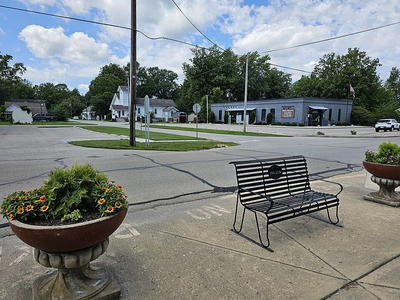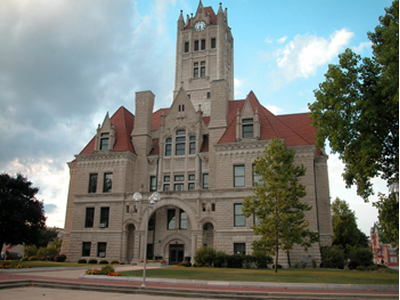
Greenfield is located in the heart of Indiana and has more to offer than just corn fields. The city combines historic brick buildings with extensive green spaces – a real playground for hobby and professional photographers. I like Greenfield because people are loose here and you find a good light almost everywhere. If you like to experiment with light and shadow, you're right here.
I'm planning to snap the picture that I can show later everywhere. I use the different light phases for this:
A practical tool is the map tool of poi‐travel.dethat you find under this text. There you can calculate the position of the sun, record the direction as a line and even read the azimuth (horizontal angle) – this saves you a lot of riddles.
The house of the famous “Hoosier-Poeten” is a lovingly restored Victorian building. Inside there are original furniture that offer a great setting for portraits and detail shots. On the outside, the brick facade is particularly warm at sunset. Opening hours: Mo‐Fr 9-17, Sat 10-16, closed Sun. Entrance: $5 adults, $3 children. Best photo time: Golden hour when the light emphasizes the window frames. Insider tip: The small garden behind the house is hardly visited and provides quiet photos of old roses.
The central square with the imposing County Courthouse and the surrounding brick buildings is a magnet for architectural photography. The wide sidewalks reflect the light, especially after a light rain. Opening hours: around the clock, publicly accessible. Best photo time: Early morning when the sun illuminates the facades of the east. Insider tip: From the second floor of the Courthouse Tower you have a wide view over the city – ideal for panoramic views.
The park follows a closed railway line and offers wide green areas, a small lake and numerous trees. Ideal for landscape and nature shots, especially in spring when the foliage is still delicate. Opening hours: 24 hours, free. Best photo time: Civil Twilight when the water reflects the sky. Insider tip: The old wooden bridge arch at the northern end is a hidden photo motif that is rarely visited by tourists.
The park houses an imposing statue of James Whitcomb Riley and a small pond that produces beautiful reflections at dusk. The wide lawn areas are well suited for silhouette recordings. Opening hours: daily 6‐22, free admission. Best photo time: Blue Hour, when the lights of the park start slowly. Insider tip: From the south side of the lake you have a clear view of the statue, without crowds in the foreground.
The museum is located in the old County Courthouse and shows exhibits on local history. The high ceilings and natural light through the large windows create interesting light and shadow effects. Opening hours: Mi‐So 10-17, admission $4. Best photo time: Golden Hour, when the light falls through the windows and illuminates the exhibits. Insider tip: In the back hall there is an old wooden staircase that provides a dramatic picture with lateral light.
A small but charming park with a plundering creek and a wooden bridge. The water surface reflects the light particularly well during the Blue Hour. Opening hours: 24 hours, free. Best photo time: Blue Hour when the lights of the bridge shimmer in the water. Insider tip: The hidden path behind the brook leads to a small waterfall – a quiet place for long-term exposures.
A 30-metre high cross that extends over the city and is illuminated at night. It is a popular motif for night photography and silhouettes. Opening hours: accessible at any time, parking at the foot of the hill. Best photo time: Blue Hour until shortly after midnight when the cross is dipped in warm light. Insider tip: From the west side of the hill you have a clear sky in the background – perfect for star-long recordings.
A modern sculpture park with the well-known “Painter/Walking Man”. The metal figure reflects the sunlight and creates interesting patterns. Opening hours: 7–20 a.m. daily, free admission. Best photo time: Golden Hour when the light makes the metal surface shine. Insider tip: The small gravel path behind the sculpture offers a quiet setting for close-ups without people.
Greenfield is an underestimated photo paradise that cleverly combines history, nature and modern art. The lighting conditions are varied all year round, and thanks to the friendly inhabitants you will always find a good place to go. Pack your camera, use the map tool for the solar position and enjoy the relaxed atmosphere – the result will convince you.
With the map tool, you can plan the ideal location for a photo online in advance – taking into account the sun's path and the surroundings.
Here's how it works:
Advantage:
You can assess light, perspective and location before visiting the site – ideal for photography, sunrises and sunsets.
To find the exact point where the sun disappears behind the skyline, use the azimuth display on poi-travel.de. In Greenfield, the sun travels further northwest below the horizon in summer, while in winter it takes a more southwesterly angle. With the embedded line on the map, you can determine your tripod position down to the metre.
| Phase | Characteristics | Top Attractions in Greenfield |
|---|---|---|
| Golden Hour | Warm, soft light shortly after sunrise or shortly before sunset | James Whitcomb Riley Museum Home, Hancock County Historical Society Museum, Greenfield Art Park – Painter/Walking Man |
| Sunset | Dawn, intense red/orange light | James Whitcomb Riley Museum Home |
| Civil Twilight | First dusk, light blue, city lights begin to shine | Pennsy Trail Park |
| Blue Hour | Deep blue light, ideal for long-term exposures | Riley Memorial Park, Brandywine Park, Giant Cross on Hill |
| Photos | Settings (ISO/Blende/Zeit) | Professional tip |
|---|---|---|
| James Whitcomb Riley Museum Home | ISO 200 / f/5.6 / 1/125 s | Use a tripod and focus on the window frames to capture the warm light. |
| Hancock County Historical Society Museum | ISO 400 / f/4 / 1/60 s | Position laterally to the window to emphasize dramatic shadows and light beams. |
| Greenfield Art Park – Painter/Walking Man | ISO 100 / f/8 / 1/200 s | Choose the golden angle so that the metal shines; a pole filter reduces reflections. |
| Pennsy Trail Park | ISO 800 / f/5.6 / 1/30 s | Use a tripod for the reflective water; keep the focus on the horizon. |
| Riley Memorial Park | ISO 1600 / f/2.8 / 10 s | Use long-term exposure to capture the lights of the park as a bokeh behind the statue. |
| Brandywine Park | ISO 800 / f/4 / 8 s | Focus on the bridge while the water reflects the blue light; an ND filter can help. |
| Giant Cross on Hill | ISO 3200 / f/2.8 / 20 s | Record on the hill with wide angle to emphasize the sky; place the white balance on “day light”. |
Only half an hour south is Indianapolis. The skyline sometimes looks too smooth, but the graffiti walls in the Mass Ave district give enough rough contrast for street shots. The Canal Walk offers reflections when the water is still.
However, the heart of Indianapolis is not the only thing you can hold. In the Fountain Square district you will find old factory buildings whose bricks are tanned by time. Perfect for recordings that need a little patina.
A short trip to Columbus, about 45 minutes west, brings modern architecture into play. The Indiana State Museum has a glass facade that breaks the light in interesting patterns. The surrounding avenues offer quiet lines for compositions.
If you prefer nature, go to Brown County State Park. The forests there are dense, the light sometimes only penetrates into narrow strips. In autumn, the foliage almost looks like a painted image – but this is not all year round.
Nevertheless, a detour to Muncie is worth it. The Ball State University has an old auditorium building with high windows that throw shadows that almost become abstract forms. The nearby White River provides quiet water areas for long-term exposures.
A short stop in New Castle brings you industrial scenes. The old factory choir stones project into the sky, and the light in the evening casts long shadows over the terrain. It's okay, but sometimes something happens when tourists come by.
In short, Noblesville on White River has a small but charming harbor district. Boats, water and old warehouses give you many opportunities to explore the game of light and structure.
If you like to go a bit further, try the Hoosier National Forest. The paths are not always clearly marked, which makes the photographing of spontaneous forest lights exciting. Sometimes it looks a bit wild, but that's the target.
Villages, towns, districts, places and Vacation destinations you should visit.
©copyright by POI-Travel.de
info@poi-travel.de