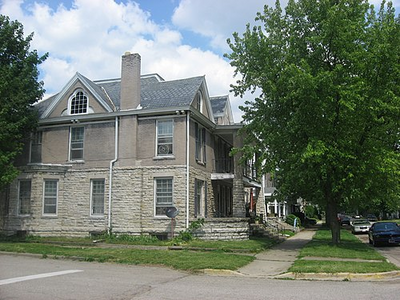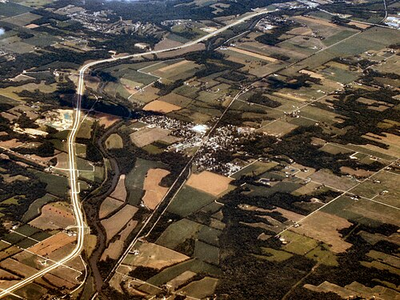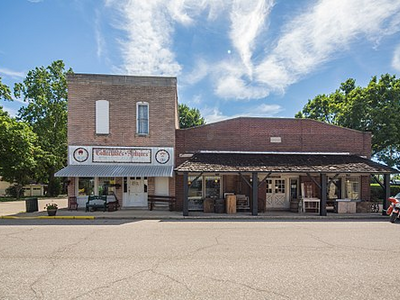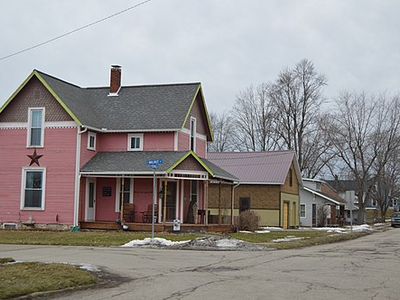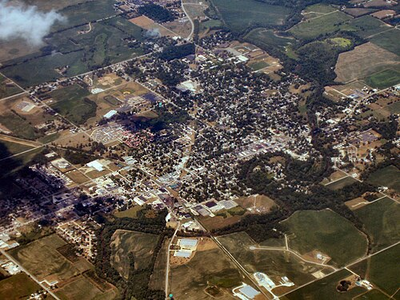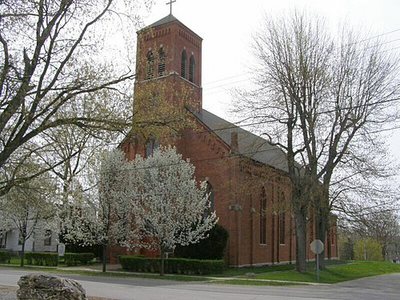
In short, Lagro is a small town on the banks of the Wabash River, which surprisingly offers many photo opportunities. The quiet streets, the open land and the well preserved natural monuments make it an ideal destination for those who like to travel with the camera. I like Lagro because people are friendly here and you feel the real Indiana feeling without being overrun by tourist crowds. The Sightseeing in Lagro searches, finds the combination of nature, history and small city idyllics – perfect for varied recordings.
The key is in timing. During the Civil Twilight the cityscape slowly awakens, the first lights dive into a gentle light. For the warm, soft light I set on the Golden Hour – this is my search term when I start lighting. The Sunset over the flat fields provides dramatic silhouettes, especially when the clouds play in the sky. The Blue Hour is ideal for long-term exposures on the river when the water acts almost neon blue. On the side of poi‐travel.de there is a map tool that calculates the position of the sun and indicates the direction by line; Azimut values help to determine the exact angle.
This striking rock formation is the main attraction in Lagro and a real photo magnet. The steep limestone plateau protrudes out of the river and offers spectacular perspectives, especially at sunrise and during the Blue Hour. Access is free, the visitor centre has opening hours from 9 am to 5 pm. For the best picture I recommend coming early in the morning when the light from below illuminates the rocks. Insider tip: A short walk along the trail leads to a hidden viewpoint from which you can catch the river in a light curve.
The forest is a quiet Landmark, which is particularly suitable for forest light and fog photography. In autumn, the leaves are coloured in warm tones, while in spring the underwood is full of fern. Admission is free, opening hours are around the clock, but the best lighting conditions can be found during the Golden Hour. Practical note: The main parking lot is close to the visitor centre, where you can get current information about hiking trails. Local note: The small wooden ridge over the brook is a popular spot for reflections.
This nature reserve is less well known, but a real secret tip for detailing of wild flowers and insects. The trails are well marked, the terrain is barrier-free and entry is free. The best time for macro photography is the late morning when the light falls gently through the trees. For panoramic fans, a small hill offers a wide view over the surrounding country, ideal for recordings during the Sunset- Sounds. Insider tip: A hidden wooden fountain in the north of the park creates beautiful reflections with calm water.
The Preserve is another Landmarkwhich is characterized by wide meadows and a small wetland. Here you can do both wide-angle and telephoto recordings of birds. The entrance is free, the terrain is accessible from 6 am to 2 pm. The best photo opportunities arise during the Blue Hour, if the water in the wetlands assumes a deep blue. Practical note: There is a small information stand where you can learn current bird watching. Local tip: The old wooden ridge on the southern end offers a perfect setting for sunsets.
This recreation area is particularly suitable for water and leisure photography. The lake is surrounded by a narrow path that offers ideal paths for walks at sunrise. The entrance costs a small amount, the opening hours are from 8 am to 8 pm. For images of reflections in the water Golden Hourwhen the light makes the water shimmer golden. Practical note: There is a boat rental that allows you to explore the water from a different perspective. Insider tip: The small wooden pavilion at the Westende is a popular place for portraits with soft light.
Although it is not a classic natural monument, this Mini Baseball Park is a charming Landmark for creative compositions. The colourful fields and the old wooden door offer contrasts, which are very good for evening light. The entrance is free, the area is open 24 hours. The best shots occur during the Sunset- Sounds when the light intensifies the colors. Practical note: A small barbecue area nearby allows a picnic while waiting for the perfect picture. Local note: The old lighthouse at the edge of the park can be used for long-term exposures during the Blue Hour to be used.
Lagro combines authentic Sightseeing in Lagro with a relaxed atmosphere that gives photographers room for experimentation. Whether you prefer the dramatic rock formations, quiet forests or calm waters, you will find numerous photo stands for every day. Pack your camera, use the sun position map tool and enjoy the diversity that this little Indiana town has to offer.
With the map tool, you can plan the ideal location for a photo online in advance – taking into account the sun's path and the surroundings.
Here's how it works:
Advantage:
You can assess light, perspective and location before visiting the site – ideal for photography, sunrises and sunsets.
To find the exact point where the sun disappears behind the skyline, use the azimuth display on poi-travel.de. In Lagro, the sun travels further northwest below the horizon in summer, while in winter it takes a more southwesterly angle. With the embedded line on the map, you can determine your tripod position down to the metre.
| Phase | Characteristics | Top Attractions in Lagro |
|---|---|---|
| Golden Hour | Warm, soft light shortly after sunrise or before sunset – ideal for landscapes and water reflections. | Salamonie River State Forest, Dora New Holland State Recreation Area |
| Sunset | Dramatic, colour-intensive light, long shadow – perfect for silhouettes and colored sky. | Mary Thornton Nature Preserve, Field of Dreams Ball Park, Kokiwanee Nature Preserve |
| Civil Twilight | Insulation light after sunset, city lights begin to shine – good for atmospheric city recordings. | Hanging Rock and Wabash Reef National Natural Landmark, Salamonie River State Forest |
| Blue Hour | Cool, deep blue light shortly after sunset – ideal for long-term exposures and water surfaces. | Hanging Rock and Wabash Reef National Natural Landmark, Kokiwanee Nature Preserve, Field of Dreams Ball Park |
| Photos | Settings (ISO/Blende/Zeit) | Professional tip |
|---|---|---|
| Hanging Rock and Wabash Reef National Natural Landmark | ISO 200 / f/8 / 1/125 s | Use a tripod and a light wide angle lens; focus on the rock formation in the foreground and use the foreground for depth. |
| Salamonie River State Forest | ISO 400 / f/5.6 / 1/60 s | Photographer the wooden ridge above the brook with counterlight; a pole filter reduces reflections in the water. |
| Mary Thornton Nature Reserve | ISO 100 / f/11 / 1/250 s | Use the hill for panoramic views; focus on the horizon and overlap the recordings by 30%. |
| Kokiwanee Nature Preserve | ISO 800 / f/4 / 2 s | use tripod, long-term exposure for blue water; an ND filter allows longer exposure times with little light. |
| Dora New Holland State Recreation Area | ISO 200 / f/9 / 1/80 s | Position yourself on the wooden pavilion, use the golden light for reflections in the lake; a polarization filter strengthens the colors. |
| Field of Dreams Ball Park | ISO 640 / f/2.8 / 5 s | Use the old lighthouse as a light source for Blue Hour; long exposure with tripod for star tracks. |
However, the town of Peru is only a stone's throw away and looks almost like a silent movie set. The old railway bridge over the Wabash offers close silhouettes at dusk, and the brick alley in the center can be used well for street scenes.
The city of Huntington is a bit further west, but the mix of brick houses and the wide river course of the Wabash makes it an interesting destination. Especially the small cafés with their colorful signs give the picture material a touch of everyday life.
If you want some nature, the Ouabache State Park is a good spot. The forest paths are sometimes covered by fog, which almost looks like an old painting. The lake there reflects the light quite beautiful when the sun breaks through the trees.
A short trip to Warsaw brings you to a small city centre that doesn't seem overrun. The old warehouses on the outskirts of the city give a rough feeling that contrasts well with modern recordings.
Marion, the capital of Indiana, is a bit larger, but the historical government buildings and the broad government district offer clear lines and interesting shadows. The river that flows through the city has a few old sluices who like to catch photography fans.
A visit to the Mississinewa Lake is worthwhile for a bit of water and sunset. The water is often quiet, and the surrounding fields reflect the light – a classic image that will never get bored.
Bluffton, a small place with many old barns, sometimes looks somewhat neglected, but that gives the recordings character. The combination of rusty tractors and wide fields is a typical Midwestern motif.
Finally, a note to Columbia City: The city has a few old mills on the river, which almost look like silhouettes in counterlight. The road there is not just wide, but this gives the pictures a bit of tension.
Villages, towns, districts, places and Vacation destinations you should visit.
©copyright by POI-Travel.de
info@poi-travel.de