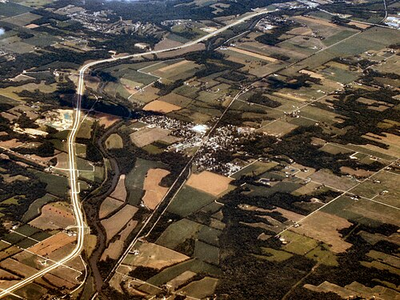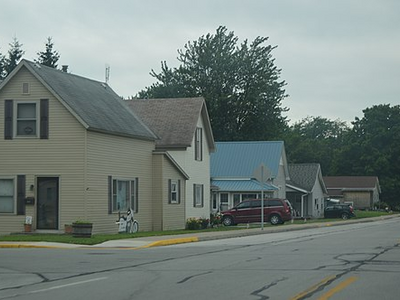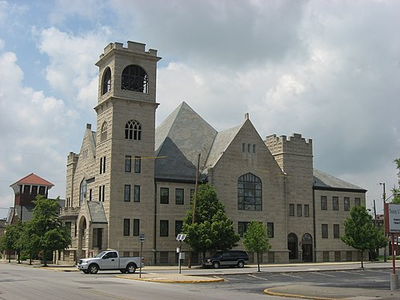
Huntington is located in the heart of Indiana and has a surprisingly lively city centre that is well suited for street and architecture photography. I like the city because it is not overrun and you quickly switch from historic buildings to large green areas. The Sightseeing in Huntington offer enough contrasts for a varied portfolio.
I'm planning my recordings around the light phases. The Civil Twilight gives the first glow of the city lights – perfect for silhouettes of the skyline. For Golden Hour I use the search term “Huntington golden hour” and put the camera on a soft, warm light. The sunset over the few buildings provides dramatic colors that fit well into the foreground of parks. In Blue Hour I like to experiment with long-term exposures to immerse the lights of the city in a deep blue. The map tool by poi‐travel.de, which is embedded under this text, shows the position of the sun, the direction (azimut) and helps to find the optimal line for recording.
The largest park in the city is located on the western shore of Huntington Lake and is a real photo magnet. The extensive greenery, a fountain and a modern skate park offer varied motifs. Especially in spring the cherry trees flourish, which creates colored foregrounds. Entry is free, opening hours are daily from 6 am to 22 pm. For Golden Hour recommends a place at the lakeside, where the light reflects the water. Insider tip: The small wooden ridge in the northern part is less visited and provides calm reflections.
The historic centre around the impressive County Court is the main attraction in Huntington. The brick buildings with their artistic facades offer great architectural photography. The road is busy during the day, but in the Blue Hour the plaster turns into a gentle light play. Opening hours: The place is accessible 24 hours a day, the court building has visitor times from 9 am to 5 pm. Tip: From the second floor of the courthouse you have a wide view over the city – ideal for panoramic views.
A hidden jewel in the heart of the city, renovated in 2024. The lush flower beds, a small waterfall and artistic stone paths create romantic scenes. Entry is free, opening hours from 8 am to 7 pm in summer, in winter until 5 pm. The best lighting conditions are the early morning hours when the light falls through the trees, and the Golden Hour in the evening when the colors of the flowers are more intense. Local note: The hidden pavilion in the southwest is a popular place for portraits.
The botanical garden offers over 30 hectares with native plants, thematic gardens and a small greenhouse. Entry costs 5 USD for adults, children free, opening hours from 9 am to 6 pm. Especially in autumn, the deciduous trees show a spectacular color play, which is well suited for landscape photography. For Blue Hour the central Rosengarten basin, where the lighting gently illuminates the water. Insider: The path along the wildflower field is less frequented and provides clear lines for compositions.
This state-of-the-art history and nature area is just outside the city, but the river mouth offers dramatic landscapes. The entrance is free, opening hours from sunrise to sunset. The combination of water, old trees and historical shields is ideal for wide-angle and detailed recordings. The Sunset-Stimmation over the river creates a warm light that fits well into the foreground of stones. Tip: A short walk to the old wooden ridge gives a good overview and fewer people in the picture.
A large nature reserve with wetlands, forests and hiking trails. Entry is free, opening hours around the clock, but the visitor centers are open from 8 am to 5 pm. The area is particularly attractive for bird and animal photography in spring and autumn. The Blue Hour over the reeds produces a mystical blue that is well suited for long-term exposures. Practical note: The observation deck at the Westende offers a wide view over the water – perfect for panoramic shots.
A small but well maintained forest protection with hiking trails and a small brook. The entrance is free, opening hours from 6 am to 2 pm. The dense trees create interesting shadow patterns, especially in the late afternoon. For Golden Hour recommends a place at the creek where the light can glitter the water. Insider: The hidden viewpoint at the end of the northern path offers a wide view over the surrounding country, ideal for wide-angle recordings.
The mix of historical buildings, extensive green spaces and natural landscapes makes Huntington a versatile place for photography. Whether you're looking for urban silhouettes, colored gardening or quiet nature pictures – the Sightseeing in Huntington offer everything. With the poi‐travel.de map tool, you always have a view of the position of the sun and can optimally plan your recordings.
With the map tool, you can plan the ideal location for a photo online in advance – taking into account the sun's path and the surroundings.
Here's how it works:
Advantage:
You can assess light, perspective and location before visiting the site – ideal for photography, sunrises and sunsets.
To find the exact point where the sun disappears behind the skyline, use the azimuth display on poi-travel.de. In Huntington, the sun travels further northwest below the horizon in summer, while in winter it takes a more southwesterly angle. With the embedded line on the map, you can determine your tripod position down to the metre.
| Phase | Characteristics | Top Attractions in Huntington |
|---|---|---|
| Golden Hour | Warm, soft light; ideal for reflections and color saturation | Rotary Centennial Park, Sunken Gardens, Pehkokia Woods Preserve |
| Sunset | Dramatic, warm color play above the horizon | Historical Forks of the Wabash |
| Civil Twilight | the first glow of the city lights; Skyline Silhouettes | Huntington Courthouse Square Historic District |
| Blue Hour | Cool, deep blue; ideal for long term exposure | Huntington Courthouse Square Historic District, Fred A. Loew Botanical Garden and Arboretum, J. Edward Roush Fish and Wildlife Area |
| Photos | Settings (ISO/Blende/Zeit) | Professional tip |
|---|---|---|
| Rotary Centennial Park | ISO 200 / f/8 / 1/125 s | Use the wooden bridge in the northern part for calm reflections of the lake. |
| Sunken Gardens | ISO 400 / f/5.6 / 1/60 s | Position yourself on the southwest pavilion to catch the light through the flowers. |
| Pehkokia Woods Preserve | ISO 100 / f/11 / 1/250 s | The brook in the Golden Hour creates sparkling highlights – keep the tripod ready. |
| Historical Forks of the Wabash | ISO 200 / f/9 / 1/200 s | Use the old wooden bridge for a foreground without people. |
| Huntington Courthouse Square Historic District | ISO 800 / f/2.8 / 1/30 s | On the second floor of the courthouse you will receive panoramic views over the city. |
| Fred A. Loew Botanical Garden and Arboretum | ISO 400 / f/4 / 1/60 s | In the Rosengarten basins during the Blue Hour, use the gentle light for detailed recordings. |
| J. Edward Roush Fish and Wildlife Area | ISO 800 / f/5.6 / 30 s | Tripod at the observation deck; Long-term exposure for mystical blue. |
Fort Wayne is not far away, and the city center has this mix of old factory buildings and modern graffiti, which are well suited for high-contrast recordings. The Riverfront Park offers the quiet water of the St. Joseph River, which almost surreal looks at fog.
However, Muncie is not only known for the university. The old brick buildings of the Ball State Campus corridors sometimes seem neglected, but the light falling through the high windows creates interesting shadows. The downtown area has a few abandoned shops that are almost too good for street photography.
Kokomo has experienced a bit of recovery in recent years. The city center is spiced with colorful wall paintings that almost look like an open museum. In addition to the Murals, there is the old railway rail park, where rusted rails and the grass pass a bit of melancholic.
Bluffton, the “town of trees”, has a few old wooden bridges over small streams. The bridges are not spectacular, but the game of light and shadow in autumn is surprisingly beautiful. You can also find some abandoned barns there that radiate a little “lost in the field”.
Peru is located on the Wabash River, and the river bank has this slightly devastated atmosphere. The old warehouses on the water are partly already half collapsed, which ensures a little urban decay. The view over the river at sunset is not overvalued.
Marion has the Miller Park area where old industrial plants are immersed in green. The rusty metal structures against the background of trees seem almost like a still life from another time. It's not overrun, but you have to look a bit to find the best angles.
Villages, towns, districts, places and Vacation destinations you should visit.
©copyright by POI-Travel.de
info@poi-travel.de