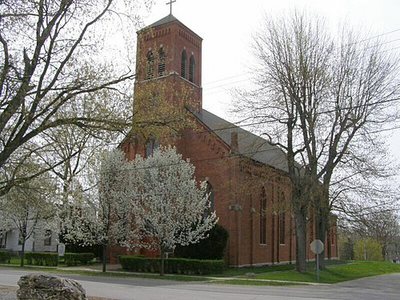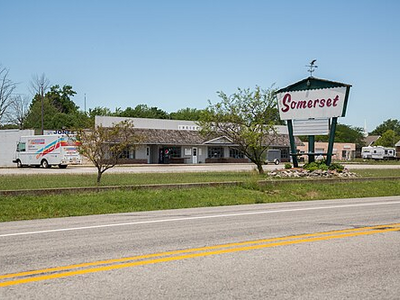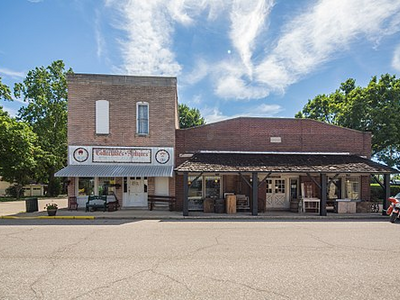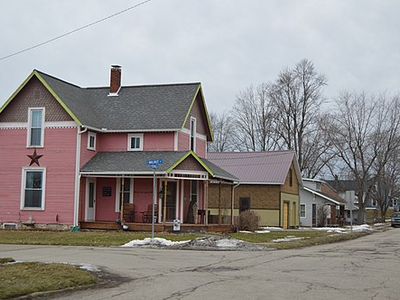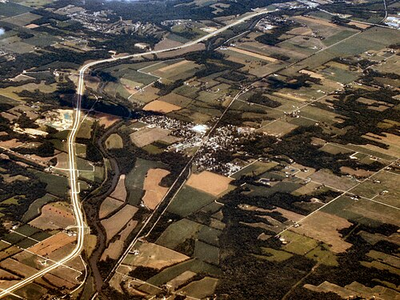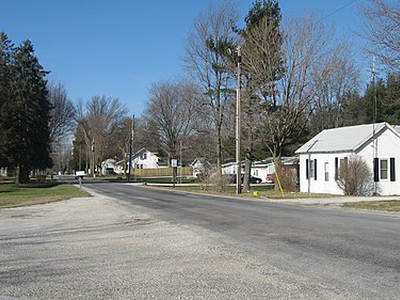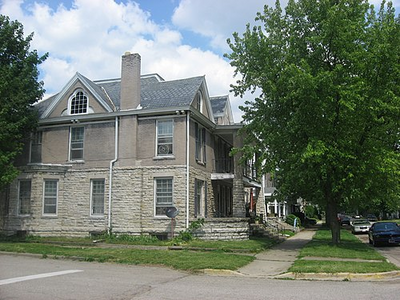
Wabash is located in the heart of Indiana and surprises with a mix of historical architecture and quiet natural scenes. For hobby and professional photographers there is more than just the usual cityscape – the Sightseeing in Wabash offer surprising perspectives and colours. I like the city because it doesn't look over and you can easily immerse yourself in the rhythm of daylights. There is also a handy map tool by poi‐travel.de that accurately displays the position of the sun.
I plan to capture the first city light during the Civil Twilight – the soft blue just before sunrise lets the facades float almost. For the classic warm-gold voice, I use the term “Golden Hour” and put my camera on the south-west orientation. The sunset over the few buildings gives dramatic silhouettes, ideal for dusk recordings. When the Blue Hour starts, I like to experiment with long-term exposures to turn the lights of the road into flowing strips. The map tool not only shows the azimuth, but also the exact line of the direction of the sun, so that I can plan the composition minutiously.
The park recalls Wabash’s title as “first electric city” and houses an artistic fountain ensemble from the 1880s. The water plays particularly beautiful at sunrise because the light turns the drops into sparkling points. Opening hours: daily from 6 am to 22 pm, free admission. Best photo time: Civil Twilight, if the water is still slightly foggy. Insider tip: A short walk along the adjacent Main Street provides interesting reflections in the well pool.
This five-storey brick building from 1895 dominates the city's skyline. The detailed facade with ornaments is a highlight for architectural photography. Entrance: no, the building is open to the public. Ideal for Golden Hour when the warm light emphasizes the stone structure. Note: The view from the opposite corner of Main Street offers a clear view of the entire front.
Another historical landmark that today serves as an art gallery. The large window fronts reflect city life and are ideal for reflections. Opening hours: Tuesday-Saturday 10-18, free admission. Photographic tip: During the Blue Hour, fascinating light reflections are created in the glass, especially when the interior lighting is on.
The museum is located in the old County Courthouse and shows exhibits on local history. The combination of historical artefacts and modern exhibition lighting creates contrasting scenes. Entrance: $5 for adults, $3 for children, opening hours 9-17, Tuesday Sunday. For recordings I recommend the late afternoon hours when the natural light falls through the high windows and illuminates the exhibits.
The walk along the river offers wide water areas that are immersed in gold at sunset. The view of the bridge and the silhouette of the city is a classic for panoramic shots. Free admission, opening hours around the clock. Best time: Sunset to Blue Hour when the water reflects the colors of the sky. Local note: A short trip to the small boat dock provides quiet foreground elements.
An impressive monument in honour of Abraham Lincoln, which has been standing since 1915. The stone reliefs and the surrounding green area offer clear lines for minimal photography. Free admission, always accessible. Recommended at the Golden Hour when the light emphasizes the reliefs and casts long shadows. Tip: From the opposite side you have a wide view of the monument and the river in the background.
The historic court building from 1881 impresses with a copper dome and a symmetrical facade. Inside there is an atrium with glass ceiling that looks spectacular at daylight. Entrance: $2, opening hours 8-16, Monday-Friday. The Blue Hour is ideal for outdoor shots because the dome is then dipped in soft blue and the city lights are sparkling underneath.
Wabash combines historical Attractions with a relaxed atmosphere that makes photography a real pleasure. Whether you want to capture the first lights of the Civil Twilight or look for the colors of the Golden Hour over the river – the city provides suitable motifs. With the poi‐travel.de map tool, you always have a view of the position of the sun and can precisely plan your recordings.
With the map tool, you can plan the ideal location for a photo online in advance – taking into account the sun's path and the surroundings.
Here's how it works:
Advantage:
You can assess light, perspective and location before visiting the site – ideal for photography, sunrises and sunsets.
To find the exact point where the sun disappears behind the skyline, use the azimuth display on poi-travel.de. In Wabash, the sun travels further northwest below the horizon in summer, while in winter it takes a more southwesterly angle. With the embedded line on the map, you can determine your tripod position down to the metre.
| Golden Hour | Warm, soft light with long shades and golden tones. | Solomon Wilson Building, Lincoln Monument of Wabash |
| Sunset | Intensive red/orange light, dramatic silhouettes. | Wabash River Walk (River Front Park) |
| Civil Twilight | Gentle blue, soft light shortly before sunrise, light fog mood. | First Electrical City Waterfountain Park |
| Blue Hour | Cool blue tones, city lights begin to shine, long exposure times. | James M. Amoss Building, Wabash City Court House |
| Solomon Wilson Building | ISO 200 / f/8 / 1/125 s | Position yourself against Main Street for a clear front view. |
| Lincoln Monument of Wabash | ISO 100 / f/11 / 1/60 s | Use counterlight to create distinctive silhouettes. |
| Wabash River Walk (River Front Park) | ISO 400 / f/5.6 / 1/250 s | Tripod for panoramic recordings; keep the foreground at the boat dock. |
| First Electrical City Waterfountain Park | ISO 200 / f/4 / 1/30 s | Manual focus on falling drops for maximum sharpness. |
| James M. Amoss Building | ISO 800 / f/2.8 / 30 s | Tripod + remote trigger; introduce the glass reflections during the Blue Hour. |
| Wabash City Court House | ISO 400 / f/5.6 / 15 s | Photographer the copper dome against the sky to emphasize the blue. |
| Wabash County Historical Museum | ISO 200 / f/4 / 1/60 s | Use natural light through the high windows for contrasting interiors. |
However, Crawfordsville is not the first thing you think about Indiana. The old railway bridge over the Wabash River offers a rough steel scaffold that almost looks like a shadow crack in the case of backlight. Perfect for silhouettes when the sun just goes down.
Delphi has a small but fine peasant market where the stands are full of colorful pumpkins and handmade jams. The light between the stands is sometimes bright, sometimes soft – a good training for white balance.
The Tippecanoe River near Lafayette is a river that winds through narrow canyons. The water reflects the foliage that shines in autumn in all possible green tones. You just have to walk a bit to find the best angles.
The Prophetstown State Park is located near Logansport. There are old stone walls left behind by the natives. They seem a little weathered, almost like a relic from another time, and give every picture a story.
Mississinewa Lake is a lake that is not overflowing, but still has enough water to catch reflections. When the wind blows slightly, the waves dance over the surface – a short moment you have to hold fast.
A short trip to Lafayette leads to the colorful graffiti walls in the city centre. Art is not always perfect, sometimes a bit chaotic, but that gives the recordings an urban touch that stands in contrast to the rural fields.
If you want something really crazy, go to Shades State Park. The rock formations there are sharp, the paths narrow, and the light rarely penetrates through the dense canopy. The result: dark, almost mystical recordings that do not succeed everyone.
Villages, towns, districts, places and Vacation destinations you should visit.
©copyright by POI-Travel.de
info@poi-travel.de