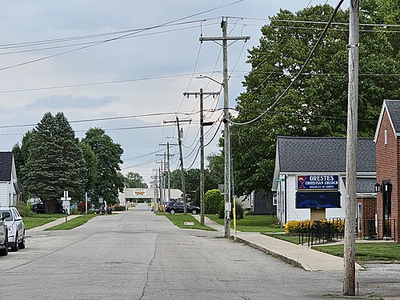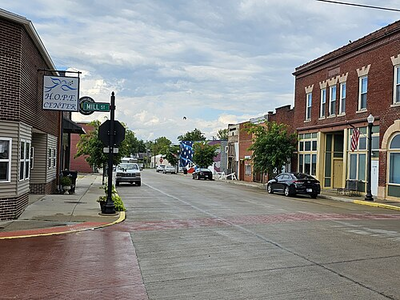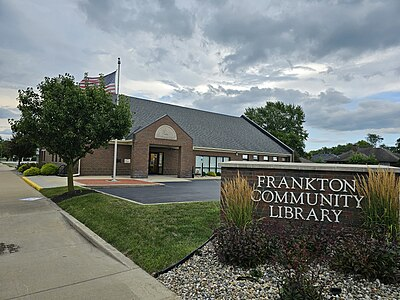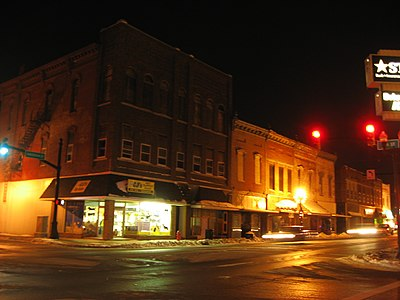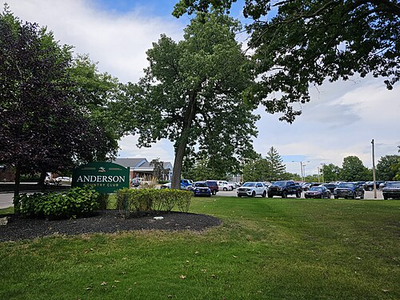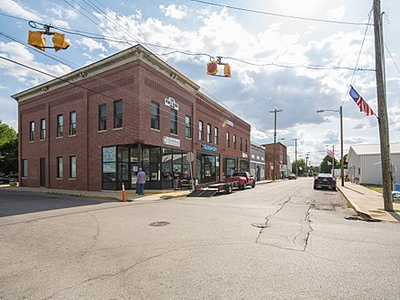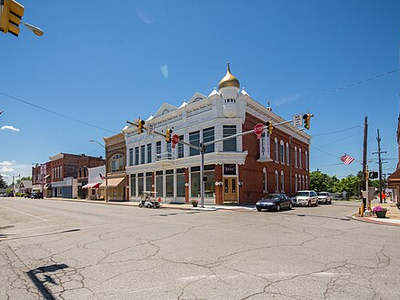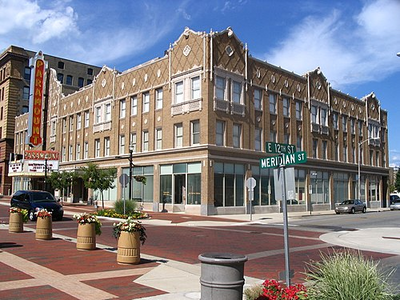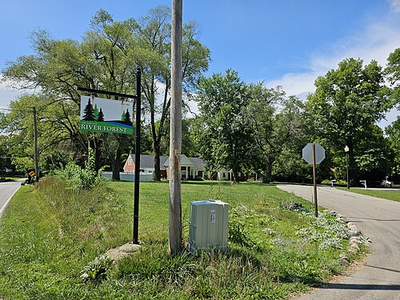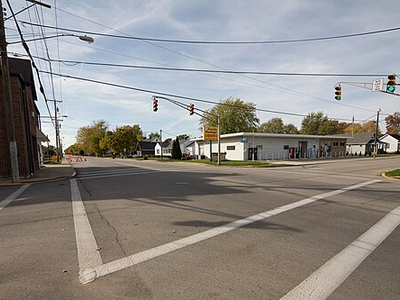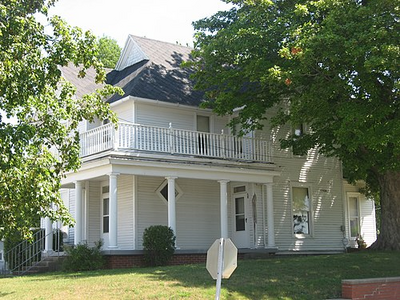
Alexandria is located in the middle of the rural Indiana and surprises with charming streets, historic buildings and surprising many photo opportunities. The city is relaxed, but the light moods are anything but boring. There is enough space for hobby and professional photographers to experiment with composition and timing. I like Alexandria because people are open and you get insider tips quickly.
I plan to shoot the image that shows the city from its most beautiful side – from the first city lights to the deep blue night. The Civil Twilight provides the soft light when the sun just disappears under the horizon and the street lights begin to glow. During the Golden Hour throws the warm light long shadows and lets façades dip in gold – a must for any lighting design. The Sunset over the few but striking buildings there are dramatic silhouettes, especially when the clouds are dramatic. In Blue Hour you can make long-term exposures that immerse the cityscape in a deep blue. The map tool of poi‐travel.de is embedded directly under this text; it calculates the solar position, shows the direction as a line and indicates the azimuth (horizontal angle) – perfect to plan the best moment.
A curious work of art that has been painted by locals since the 1970s. The colourful surface reflects the light differently, depending on the time of day – an interesting contrast to the surrounding field paths. Opening hours: all year round, no entry. Best photo time: early morning when the light from the east emphasizes the colors. Insider tip: a short walk to the nearby field path provides a panorama that embeds the artwork in the rural environment.
The time capsule is in front of the historic fire department store and is a popular spot for city portraits. The red brick façade and the distinctive sign provide clear lines that have a particularly strong effect on counterlight. Opening hours: the fire department store is open from 9 a.m. to 5 p.m., free admission. Best photo time: shortly after sunset when the house is illuminated by the first city lights. Insider tip: a light counterlight from the street creates a beautiful silhouette portrait of the building.
The museum houses local history in a restored Victorian building. The large windows and the stone entrance portal offer interesting frames for city recordings. Opening hours: Tuesday to Saturday, 10 a.m.–16 a.m., admission 5 USD. Best photo time: late morning golden hour when the light falls through the windows. Insider tip: the adjacent small car park has old lanterns that create a nostalgic flair at dusk.
A small town park with a pond, a bridge and old oaks. The water reflects the light, which is particularly impressive in the blue hour. Opening hours: 24 hours, free admission. Best photo time: Blue Hour when the water throws back the deep blue skylight. Insider tip: a short walk along the path leads to a hidden bank that is ideal for portraits with the background of the park.
A family-friendly park with play equipment, a small amphitheater and wide lawn areas. The wide green areas offer clear lines for minimal photography. Opening hours: 7 am to 22 pm, free admission. Best photo time: early morning-Civil-Twilight when the grass is slightly beaten and the light is gentle. Insider tip: the amphitheatre has an old wooden chest, which provides a beautiful silhouette motif in counterlight.
The fair place is a living place with old carousels, exhibition stands and a large open space. The colourful lights of the fair shine especially during the Blue Hour. Opening hours: depending on the event, admission mostly free. Best photo time: dusk when the lights start. Insider tip: a short ascent to a small elevation on the edge gives an overview of the entire terrain – perfect for wide angle recordings.
A natural park with hiking trails, a small stream and historic farmhouses. The rustic buildings and the water provide natural frameworks for landscape and architecture photography. Opening hours: 6 am to 20 pm, free admission. Best photo time: Golden Hour when the light falls through the trees. Insider tip: a hidden wooden ridge over the brook creates a beautiful mirror image that looks particularly magical in light fog.
Alexandria combines rural tranquility with surprising photo motifs, from colorful art installations to historical façades. The light moods are varied, and thanks to the map tool, every moment can be precisely planned. For a short trip where you can catch both city and nature scenes, this little Indiana city is a real secret tip.
With the map tool, you can plan the ideal location for a photo online in advance – taking into account the sun's path and the surroundings.
Here's how it works:
Advantage:
You can assess light, perspective and location before visiting the site – ideal for photography, sunrises and sunsets.
To find the exact point where the sun disappears behind the skyline, use the azimuth display on poi-travel.de. In Alexandria, the sun travels further northwest below the horizon in summer, while in winter it takes a more southwesterly angle. With the embedded line on the map, you can determine your tripod position down to the metre.
| Phase | Characteristics | Top attractions in Alexandria |
|---|---|---|
| Golden Hour | Warm, soft light with long shade; ideal for facades and nature. | Alexandria Monroe Historical Society Museum, Hoosier Land Park |
| Sunset | Dramatic sky, silhouettes and first city lights. | Alexandria Fire Department Time Capsule |
| Civil Twilight | Soft diffuse light shortly after dusk; Colors still muted. | World's Largest Ball of Paint, Beulah Park |
| Blue Hour | Cool, deep blue light; perfect for long term exposures and reflections. | Broadway Park, Alexandria Fairgrounds |
| Photos | Settings (ISO/Blende/Zeit) | Professional tip |
|---|---|---|
| World's Largest Ball of Paint | ISO 200 / f/8 / 1/125 s | Use a light backlight from the east to emphasize the colors; a light pole filter reduces reflections. |
| Alexandria Fire Department Time Capsule | ISO 400 / f/5.6 / 1/60 s | photographers after sunset with street light as background; a tripod allows longer exposures for silhouettes. |
| Alexandria Monroe Historical Society Museum | ISO 100 / f/11 / 1/250 s | Position yourself in such a way that the light falls through the large windows; a wide angle lens captures the entire portal. |
| Broadway Park | ISO 800 / f/2.8 / 10 s (with tripod) | Use the blue hour for long-term exposure; the water reflects the sky blue – an ND filter can help to control the light. |
| Beulah Park | ISO 200 / f/4 / 1/80 s | Catch the slightly beaten grass in the Civil Twilight; a slight counterlight produces silhouettes of the amphitheater. |
| Alexandria Fairgrounds | ISO 640 / f/5.6 / 5 s (Stativ) | photograph on the hill to capture the entire ground; the lights of the rides shine particularly well at the Blue Hour. |
| Hoosier Land Park | ISO 100 / f/8 / 1/200 s | Use the golden light that falls through the trees; a pole filter reinforces the contrast between heaven and leaves. |
However, a detour to Anderson is worthwhile if you are on industrial patina. The old factory hall on Main Street has rusty carriers that almost tell a picture in the backlight. In addition to the brick buildings there is a small neighborhood with colorful graffiti walls that are well suited for street portraits.
A short trip to Muncie will take you to Ball State University's campus feeling. The mixture of modern glass facades and old brick classrooms creates contrasts that can easily be caught in black and white. The nearby Ball State Museum of Art, by the way, has a quiet atrium that is often overlooked, but offers great light games.
If you're looking for rural scenes, go to Noblesville. There is the White River State Park estate, which has not only river banks, but also old wooden bridges and weathered mill ruins. The light in the early morning breaks through the trees and casts long shadows – perfect for silhouettes.
Kokomo is another stop that sprays a little retro vibe. The city centre has a few old cinemas whose neon lights are almost an independent motif at night. And the nearby Hoosier Heritage Village offer historic farmhouses that look a bit like from another time.
For a bit of nature and water you can visit the Chain O’Lakes State Park. The lakes are not huge, but the reflecting water with light fog gives you an almost painted feeling. The wooden ridges over the water are somewhat shaky, but this gives the recordings a touch of immediacy.
A short trip to Indianapolis is a bit further, but the cityscape there has more than enough photo possibilities. The Indianapolis Canal Walk, for example, has old locks and bridges that almost seem abstract in the backlight. And the Mass Ave neighborhood has small cafes with slanted signs that you could easily overlook, but are very good for details.
In short, Alexandria's surroundings are a patchwork from industry, campus architecture and rural idyll. Each place has its own corners, which do not immediately jump into the eye, but this is what makes them exciting for a photographer.
Villages, towns, districts, places and Vacation destinations you should visit.
©copyright by POI-Travel.de
info@poi-travel.de