Indianapolis is located in the Middle West, has wide green and some cool skyline silhouettes. For photo lovers, the light is often surprising here, especially when the sun jumps over the river. I like the museum because the combination of classical art and modern sculpture works just well. The Sightseeing in Indianapolis Museum of Art offer many different backgrounds for recordings.
I'm planning the shooting after the light phases. Civil Twilight gives a soft blue that looks almost at night. Golden Hour delivers warm light that emphasizes structures. The sunset over the park is a classic, but the crowds can be annoying. Blue Hour is ideal for illuminated sculptures. At poi‐travel.de there is a map tool that displays the solar position as a line; that helps to determine the azimuth exactly.
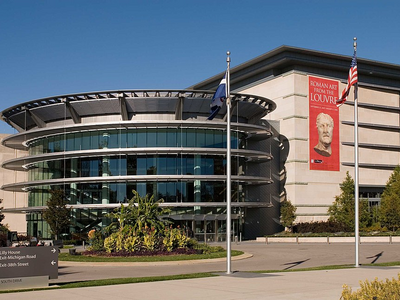
The main attraction is the museum itself, which was renamed to Newfields in 2024. Inside there are high ceilings, clear lines and an atrium that filters light from above. On the outside lies the terrain with wide lawns, ideal for wide-angle recordings. Opening hours: 10 am to 5 pm, closed on Mondays. Admission free, donations recommended. Best photo time: Golden Hour when the light dips the glass facade in gold. Insider tip: The small courtyard behind the Rotunda is less visited, there you can make quiet detail shots.
This extensive terrain is an independent attraction that combines art and nature. Large lawn areas, a lake and several sculptures offer varied backgrounds. Especially the wide fields are almost surreal in the sunset. Opening hours: 10 am to 5 pm, Tuesday to Sunday. Free admission. The Blue Hour is recommended for the image when the sculptures are surrounded by soft light. Insider proof: The path along the river is easy to find, there is a hidden wooden deck that creates reflections in the water.
This installation is a striking sight of the Fairbanks Park. It consists of a hanging metal construction over a stone arrangement near the floor. The play of light and shadow is particularly strong here, especially the Civil Twilight when the light comes from below. Opening hours like in the park. Free admission. Best early in the morning when the number of visitors is low. Insider tip: A short walk from the main road to the right leads to a small hill from which you can catch the entire arrangement in the picture.
The colorful bone sculpture is a popular attraction for families, but also for photographers who love colors. Each bone is a hole that reflects light inside, especially at sunset. Opening hours like in the park, free admission. The best time is the Golden Hour when the orange pink light intensifies the colors. Insider proof: If you photograph from the south side, an interesting pattern of shadows is created that makes the image more dynamic.
A long ridge leading over a small water basin is the main attraction here. The water reflects the sky, making night photography easier. Opening hours like in the park, free admission. The Blue Hour is recommended for the picture if the water still lights a little. Insider tip: The bridge is on a narrow path that is not heavily frequented – you have more rest there.
An old fountain pipe, which serves as a sculpture, is an unusual attraction in the park. The rusty metal contrasts strongly with the green grass, especially with counterlight. Opening hours like in the park, free admission. The best for the Civil Twilight when the light from behind emphasizes the metal. Insider proof: A small hill behind the well offers an elevated angle of view from which you can capture the entire ensemble.
This classic statue is the central attraction in the museum garden. The pose of the goddess and the dog looks calm, almost contemplative. Opening hours: Museum 10‐5, Park 10‐5, closed on Monday. Free entrance, park also. Golden Hour makes the marble light, which is a beautiful effect. Insider tip: When you photograph from the west side, the light falls directly on the face of Diana and creates fine highlights.
The red metal installation is an iconic sight that is often overrun, but that's okay. The red colour game stands out from the green of the lawn, especially at sunset. Opening hours like in the park, free admission. The Blue Hour is ideal for the image because the red light is stronger. Insider proof: A short detour to the right leads to a small stone garden where you have the work without people in the picture.
A group of four figures representing the seasons is another attraction in the park. Each figure has another material that breaks the light differently. Opening hours like in the park, free admission. The best time is the Civil Twilight when the cool light emphasizes the metal and stone surfaces. Insider tip: A small path behind the figures leads to a tree that provides a beautiful silhouette motif in the background.
A quiet garden with sloping stone slabs is an underestimated sight. The arrangement produces interesting lines, which are well appreciated in the picture. Opening hours like in the park, free admission. The Golden Hour is recommended for the image because the light extends the shadow of the panels. Insider proof: If you are there early in the morning, the light is soft and the number of visitors is minimal.
A trip to Sightseeing in Indianapolis Museum of Art supplies enough material for a whole photo portfolio. The mix of art, nature and changing light makes the place particularly attractive. Those who like to experiment will find both day and night photography opportunities here. In short, The visit is worthwhile because every corner promises a new picture.
With the map tool, you can plan the ideal location for a photo online in advance – taking into account the sun's path and the surroundings.
Here's how it works:
Advantage:
You can assess light, perspective and location before visiting the site – ideal for photography, sunrises and sunsets.
To find the exact point where the sun disappears behind the skyline, use the azimuth display on poi-travel.de. In Indianapolis Museum of Art, the sun travels further northwest below the horizon in summer, while in winter it takes a more southwesterly angle. With the embedded line on the map, you can determine your tripod position down to the metre.
| Phase | Characteristics | Top Attractions in Indianapolis Museum of Art |
|---|---|---|
| Golden Hour | Warm, soft light emphasizes structures and colors | Newfields – Indianapolis Museum of Art, Funky Bones, Diana with Dog, Park of the Laments |
| Sunset | Intensive orange/pink light, dramatic silhouettes | Virginia B. Fairbanks Art & Nature Park: 100 Acres, LOVE sculpture |
| Civil Twilight | Soft blue, counter light emphasizes contours | Above and Below, Antique Wellhead, Four Seasons |
| Blue Hour | Cool blue, illuminated sculptures have a strong effect | Virginia B. Fairbanks Art & Nature Park: 100 Acres, Stratum Pier, LOVE Sculpture |
| Photos | Settings (ISO/Blende/Zeit) | Professional tip |
|---|---|---|
| Newfields – Indianapolis Museum of Art (Atrium) | 200 / f/8 / 1/125 s | Use a tripod and a light pole filter to control the incident light. |
| Funky Bones | 400 / f/5.6 / 1/250 s | Photographers from the south side to emphasize the color play inside. |
| Diana with Dog | 100 / f/11 / 1/200 s | Position the sun behind the statue for soft highlights on the face. |
| Park of the Laments | 200 / f/9 / 1/160 s | Use the soft morning light to create long shadows. |
| Virginia B. Fairbanks Art & Nature Park: 100 Acres (See) | 800 / f/4 / 1/60 s | Focus on water reflection for dramatic Sunset recordings. |
| LOVE sculpture | 400 / f/5.6 / 1/80 s | Blue light from the Blue Hour makes the red appear more intense – use a 50 mm lens. |
| Above and Below | 200 / f/8 / 1/125 s | Use the anti-light mood of the Civil Twilight to emphasize the shadows. |
| Antique Wellhead | 200 / f/9 / 1/100 s | Choose an elevated position to silhouette the rusty metal in front of the sky. |
| Four Seasons | 200 / f/8 / 1/110 s | Civil Twilight allows metal and stone to reflect differently – respect the white balance. |
| Stratum Pier | 400 / f/5.6 / 1/30 s | Use a tripod and long exposure time to smooth the water in blue. |
Just a short trip to Carmel and you'll find a small neighborhood full of graffiti hands that look almost like huge canvases. The colors are sometimes too bright, but that gives you room for contrasts.
However, Zionsville is not only a pretty village, but also a maze of cobblestones and old barns. The light in the late afternoon casts long shadows – perfect for silhouettes.
A detour to Brown County State Park is worth looking for forest lights that look almost like painted. The paths are a little overrun, but if you're there early, you'll get quiet scenes.
In short, Columbus, Indiana, is a bit further, but the modern sculptures in the city centre offer unusual perspectives. Sometimes the whole thing has something to stage, yet an interesting contrast to nature.
The Hoosier National Forest is okay if you are looking for wide open areas where fog is above the streams. The paths are not always well marked, but this can make the shooting more exciting.
If you like industrial aesthetics, drive to West Lafayette and look at the old factory building on the Wabash River. The rusty structures are not everyone's taste, but for black and white recordings a real discovery.
A short stop in New Castle brings you a historic railway museum that shows more than just trains – old workshops that almost look like abandoned workshops. The light penetrates through broken windows, which gives you interesting light games.
Villages, towns, districts, places and Vacation destinations you should visit.
©copyright by POI-Travel.de
info@poi-travel.de