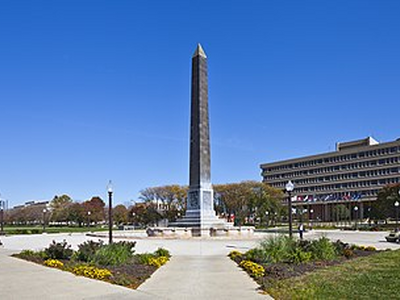
Indy is located in the middle of the West and surprises with a mixture of modern skyline and historic places. The city has surprisingly many open areas that allow the light to capture well. I like Indy because people are loose here and you get to good photos, without endless queues. There are plenty of topics for hobby photographers – from urban silhouettes to natural images on the river.
I want to shoot the picture that the city holds in a single frame. The Civil Twilight provides the first shimmer of city lights, ideal for silhouettes of the Monument Circle sculptures. During the Golden Hour – the warm light shortly after sunrise or before sunset – leaves the glass facades of the White River State Park shiny. The Sunset over the high-rise buildings Monument Circle creates dramatic colors that reflect in the water of the Canal Walk. In Blue Hour you can make long-term exposures from the illuminated bridges. The map tool by poi‐travel.de, which is embedded under this text, shows the position of the sun, the direction (azimut) and helps to plan the best angle.
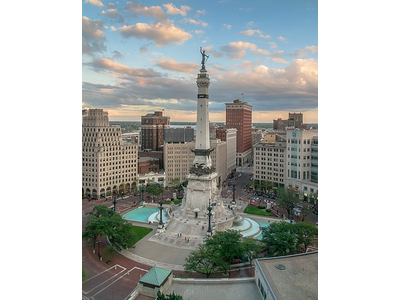
The 284-foot high monument dominates the cityscape at the Monument Circle. From the vicinity you get impressive details of the reliefs, from the distance a strong silhouette motif against the sky. Practical tips: Opening hours daily 9 – 5 pm, free admission. The ascent to the viewing platform is only open in the summer (May-September), for which the early hour is worthwhile for soft light. Insider tip: Photographers from the south side of the circle, there the light captures the marble sculptures particularly well, and the crowd is smaller.
The park extends along the river and offers wide water areas, modern art and the skyline in the background. The panorama of the Riverwalk at sunset when the water reflects the orange-red light. Practical tips: Park is open 24 hours, free admission. For the best shots use the Golden hour, about 30 minutes before sunset. Insider tip: The small bridge Indiana State Museum- Entry gate is less frequented and provides clear reflections without crowds.
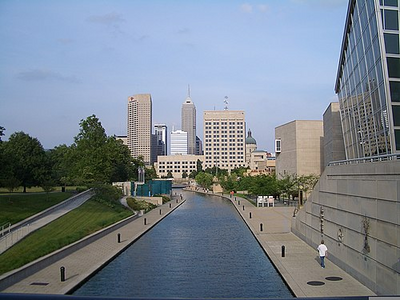
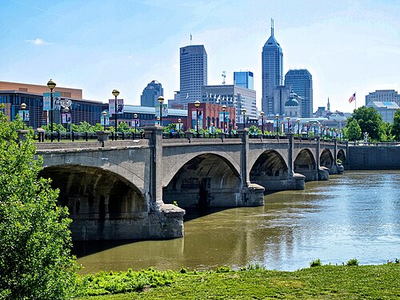
The 3 miles long waterway connects the city centre with the White River State Park. The illuminated bridges and the water provide ideal motives for night and blue-hour recordings. Practical tips: Opening hours 6 – 22 o'clock, free of charge. The best photos are taken between 8:00 am and 2:00 pm when the bridge lamps light. Insider tip: The section at Indiana State Museum has a particularly quiet water surface that produces reflections from the surrounding buildings.
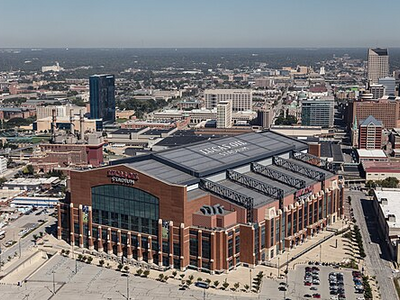
The legendary race track is a symbol of speed and history. The wide, smooth surfaces and the iconic start/finish line offer strong lines and perspectives. Practical tips: Guided tours daily 10 – 4 pm, admission approx. $15. For sunrise recordings, you should be there early, the light throws long shadows over the stands. Insider tip: The view from the south side over the Pit-Lane provides a less known but very dynamic picture, especially when the light comes from the right.
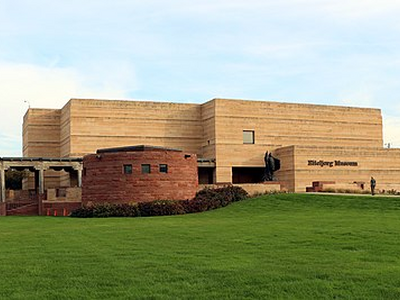
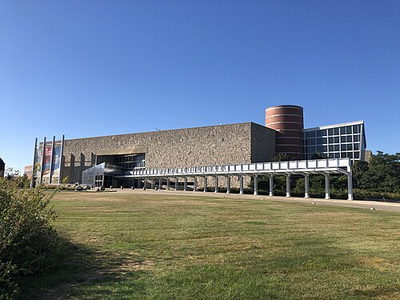
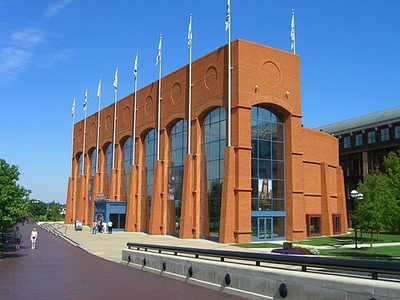
The museum combines modern architecture with traditional works of art. The outer facade of red brick and the adjacent sculpture “The Indian Warrior” create interesting contrasts. Practical tips: Opening hours 10 – 17 hrs., admission $12. The golden hour in the late afternoon makes the brick building appear warm. Insider tip: Use the small front garden behind the museum; there is a statue that becomes almost invisible in counterlight – a cool effect for experimental recordings.
The red-golden dome building is located at Capitol Square and is well to photograph from all sides. The dome reflects the light while the surrounding trees produce a soft counterlight in spring. Practical tips: Opening hours 9 – 5 pm, free admission. For night photography the light of the dome (after 7 p.m.) and use a tripod for long-term exposures. Insider tip: The small square behind the Capitol, where a fountain stands, is rarely illuminated, but at dusk a quiet place for silhouettes.
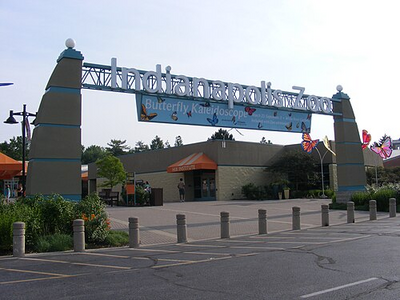
The zoo is located in the White River State Park and offers animal and landscape photography in one. The aquarium building with its glass front, which dips the water in colors at sunset, is particularly good. Practical tips: Opening hours 9 – 17 a.m., admission approx. $20. For animals, use the late afternoon light that gently illuminates the animals. Insider tip: The area behind Penguin Habitat has a small water basin that generates reflections from the lights during dusk – perfect for experimental night recordings.
With the map tool, you can plan the ideal location for a photo online in advance – taking into account the sun's path and the surroundings.
Here's how it works:
Advantage:
You can assess light, perspective and location before visiting the site – ideal for photography, sunrises and sunsets.
To find the exact point where the sun disappears behind the skyline, use the azimuth display on poi-travel.de. In Indianapolis, the sun travels further northwest below the horizon in summer, while in winter it takes a more southwesterly angle. With the embedded line on the map, you can determine your tripod position down to the metre.
| Phase | Characteristics | Top Attractions in Indianapolis |
|---|---|---|
| Golden Hour | Warm, soft light shortly after sunrise or before sunset – ideal for shiny facades and long shadows. | White River State Park, Soldiers and Sailors Monument, Eiteljorg Museum, Indianapolis Motor Speedway |
| Sunset | Dramatic colors, reflections in the water, silhouettes over the skyline. | Monument Circle (Soldiers and Sailors Monument), Canal Walk, White River State Park |
| Civil Twilight | First shimmer of city lights, good time for silhouettes and light blue tones. | Soldiers and Sailors Monument, Indiana State Capitol |
| Blue Hour | Cool, deep blue tones, ideal for long-term exposures of illuminated bridges and buildings. | Canal Walk, Indiana State Capitol, Indianapolis Zoo |
| Photos | Settings (ISO/Blende/Zeit) | Professional tip |
|---|---|---|
| Soldiers and Sailors Monument | ISO 200 / f/8 / 1/125 s | Use the south side for soft morning light and avoid crowds. |
| White River State Park (Riverwalk) | ISO 100 / f/11 / 1/250 s | Position yourself at the bridge at the Indiana State Museum entrance gate for clear reflections. |
| The Canal Walk | ISO 400 / f/5.6 / 10‐30 s (Stativ) | Start the illuminated bridges between 20-22; use a tripod for long-term exposure. |
| Indianapolis Motor Speedway | ISO 200 / f/16 / 1/200 s | Early in the morning for long shadows; photograph the Pit-Lane from the south side. |
| Eiteljorg Museum | ISO 200 / f/5.6 / 1/60 s | Use the golden hour to let the brick building shine warm. |
| Indiana State Capitol | ISO 400 / f/8 / 1/30 s (Stativ bei Nacht) | Use the well behind the silhouette capitol for night shooting. |
| Indianapolis Zoo (Aquarium) | ISO 800 / f/4 / 1/125 s | catch the glass front reflections late afternoon; respect light reflections in the water. |
Columbus is only half an hour south. The city is a mecca for architectural photographers because almost every building is a design statement. The clear lines of the Modernist buildings are almost surreal in contrast light. Sometimes it feels like walking through a museum that is still inhabited.
However, this is not the only thing Columbus has to offer. The small alleys in the historic district have cobblestones that shine in rain. There are interesting shadow games that you can easily overlook if you don't look closely.
A short trip to Brown County, more precisely to Nashville, brings you into a completely different light. The hilly landscape is full of old trees whose carnival branches look like natural sculptures. In autumn, the leaves turn into a deep red, which seems to be almost banging on the photo. Nevertheless, it is not overrun – the remote paths often remain unnoticed.
If you want rural idyll, go to Bloomington. The campus of the university has a few hidden corners: a small lake surrounded by trees that show flowering crocuses in spring. The combination of academic atmosphere and nature is rare and provides unusual picture compositions.
Another stop: Muncie. There is an old industrial area that is now covered by Street Art. Graffiti on bricks, combined with rusty metal structures, creates a rough contrast. In short, perfect for photos that need a bit of edge.
A trip to the Tippecanoe River State Park is worthwhile for fans of water landscapes. The river winds through dense forests, and the light that breaks through the canopy creates an almost mystical shimmer. Sometimes the water is so clear that you can see the reason – a detail that is well suited for macro recordings.
A bit further north is Lafayette. There is an old railway museum that shows not only trains, but also abandoned tracks. The long straight lines of the rails lead the eye directly into the picture. If you're there early in the morning, you can catch the soft light that slides over the tracks.
Nevertheless, one should not forget that some of these places can run over depending on the season. An early start, a bit of patience and the right timing make the difference between an ordinary snapshot and an image that really says something.
Villages, towns, districts, places and Vacation destinations you should visit.
©copyright by POI-Travel.de
info@poi-travel.de