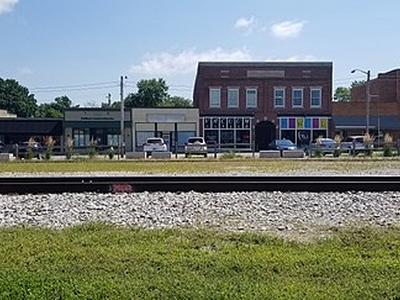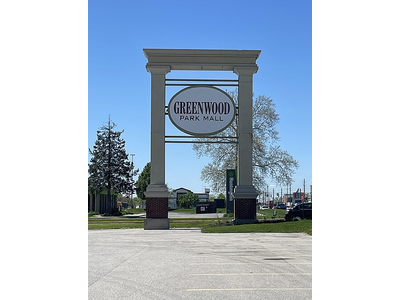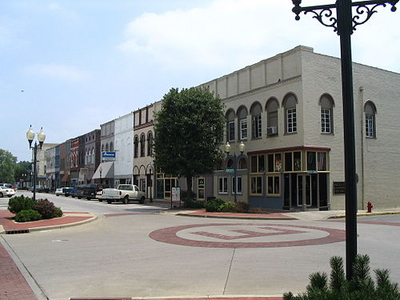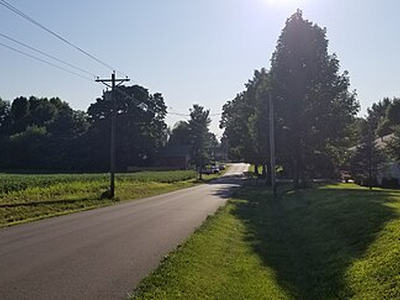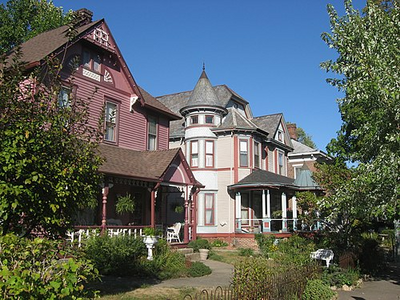
Franklin is located on the outskirts of Indianapolis and combines historic downtown with lots of green. The city has surprisingly many photo motifs, from ancient monuments to modern murals. I like Franklin because the people here are friendly and are rarely overrun by tourist crowds. For photographers there is almost always a good light, whether early in the morning or late in the night.
The plan begins with Civil Twilight: Shortly after sunset, the first city lights shine – perfect for silhouettes of the skyline. For the warm, soft light of Golden Hour use the search term “golden hour Franklin Indiana” in your lighting design app. The Sunset over the few high-rise buildings in the city centre provides dramatic colors that are well reflected in windows. The Blue Hour is ideal for long-term exposures of illuminated bridges and the War Memorial. On this page of poi‐travel.de you will find a map tool that calculates the position of the sun and displays the direction (azimut) as a line – a real time and space saver.
The War Memorial is the central monument of Franklin. It consists of an imposing granite plate framed by a circular wall with engraved names. The monument is particularly impressive when the evening sun dips the metal plates into a warm gold. For recordings in the Blue Hour, the lights of the surrounding street lamps gently reflect on the stone.
The museum is located in a restored 19-century building of red brick. The façade with its large windows offers interesting frames for city recordings. There are historical exhibitions inside, but the exterior is the actual photo motif – especially at sunrise when the light falls through the windows.
A restored railway car has been at Franklin station since 2023 and serves as a mobile photo studio. The old wooden cladding and the colorful window frames give a nostalgic flair. The vehicle has a particularly good effect during the Golden Hour when the sunlight flows through the windows.
Franklin's city centre is adorned with colorful murals that connect local history and pop culture. The largest area is located on the corner of Main & Market Street. The artworks change occasionally, so it's worth a quick check on the official city website before you get off.
The river park offers wide green areas, a small lake and old oaks. In spring, the water reflects the surrounding trees, which leads to quiet scenery. The view from the small hill in the park to the south captures the sunset over the river.
The bronze statue of Benjamin Franklin is located in the heart of the city centre, surrounded by cafes. The artwork is a popular meeting place and offers a nice perspective when combined with the surrounding historic buildings. At night, when the surrounding lanterns shine, an atmospheric picture is created.
The cultural centre houses changing exhibitions, a theatre and a café. The glass facade reflects city life and offers interesting reflections. The building is particularly impressive when the lights fall on the wet asphalt.
Dame Mall is a small shopping center with a striking glass ceiling. The architecture offers clear lines and geometric shapes that are well suited for abstract city recordings. The light falls through the ceiling particularly beautiful during the Golden Hour.
A nature reserve on the outskirts of the city known especially for bird watching. The lake and the reed areas offer quiet scenes, especially at dawn. If you're lucky, you can catch a white stork or a blueheart in the picture.
Franklin combines historical atmosphere with modern photo possibilities without having to fight through crowds. Whether you are looking for gentle morning lights, dramatic sunsets or nightly city lights – the city delivers everything. Pack your camera, use the poi‐travel.de card tool and enjoy a relaxed photo holiday where each shot can capture a small piece of Franklin charm.
With the map tool, you can plan the ideal location for a photo online in advance – taking into account the sun's path and the surroundings.
Here's how it works:
Advantage:
You can assess light, perspective and location before visiting the site – ideal for photography, sunrises and sunsets.
To find the exact point where the sun disappears behind the skyline, use the azimuth display on poi-travel.de. In Franklin, the sun travels further northwest below the horizon in summer, while in winter it takes a more southwesterly angle. With the embedded line on the map, you can determine your tripod position down to the metre.
| Phase | Characteristics | Top Attractions in Franklin |
|---|---|---|
| Golden Hour | Warm, soft light shortly after sunrise or before sunset – ideal for colors and silhouettes. | Historic Train Car “The Franklin”, Province Park, Dame Mall, Johnson County Museum of History, Street Art in Downtown District |
| Sunset | Intense colors, long shadows – perfect for dramatic heavens and reflections. | Province Park, War Memorial (Silhouettes), Johnson County Museum (Window) |
| Civil Twilight | Light after sunset, city lights begin to shine – good for silhouettes and city panoramas. | War Memorial, Ben Franklin Statue, Johnson Center for the Arts (Glass facade) |
| Blue Hour | Cool, blue tones shortly after dusk – ideal for long-term exposures of illuminated objects. | War Memorial, Ben Franklin Statue, Province Park, Blue Heron Park |
| Photos | Settings (ISO/Blende/Zeit) | Professional tip |
|---|---|---|
| War Memorial | ISO 200 – f/8 – 1/125 s (Golden Hour) / ISO 800 – f/2.8 – 8 s (Blue Hour) | Use a tripod for the blue hour and compose reflection in the water by straightening the angle slightly down. |
| Johnson County Museum of History | ISO 100 – f/11 – 1/250 s (Sonnenaufgang) / ISO 400 – f/5.6 – 1/60 s (Drainage) | Position yourself in such a way that the light falls through the windows – this creates a dramatic light and shadow game. |
| Historic Train Car “The Franklin” | ISO 200 – f/5.6 – 1/250 s (Golden Hour) | photographers of a slightly lateral angle to highlight the metal structure; use a light counterlight for silhouettes. |
| Street Art in Downtown District | ISO 400 – f/5.6 – 1/200 s (Golden Hour) / ISO 800 – f/4 – 1/60 s (Drainage) | Choose a short focal length to avoid distortions, and keep on the background so that the colors of graffiti are not exaggerated. |
| Province Park | ISO 100 – f/11 – 1/160 s (sunset) / ISO 800 – f/4 – 6 s (Blue Hour, tripod) | Use the water as a mirror surface; a light pole filter reduces reflections and strengthens the sky. |
| Ben Franklin statue | ISO 200 – f/8 – 1/100 s (Civil Twilight) / ISO 800 – f/2.8 – 8 s (Blue Hour, Tripod) | Place the statue in front of an illuminated street scene to achieve a balanced relationship of light and shadow. |
| Johnson Center for the Arts | ISO 200 – f/9 – 1/200 s (day light) / ISO 800 – f/4 – 4 s (Civil Twilight, tripod) | Start the reflections in the glass facade by slightly aligning the angle down; a pole filter helps to avoid glare. |
| Lady Mall | ISO 100 – f/8 – 1/250 s (Golden Hour) | Pay attention to the architectural lines; a light wide angle lens emphasizes the symmetry of the building. |
| Blue Heron Park | ISO 400 – f/5.6 – 1/250 s (Morgendunst) / ISO 800 – f/2.8 – 10 s (Blue Hour, Tripod) | Use a telephoto lens for bird recordings; at Dunst a slight lightening in post-processing preserves the atmosphere. |
New Albany is just a short drive away, right on the Ohio River. The old factory buildings that have now been converted to Lofts offer rough backdrops, and the bridge over the river throws interesting shadows at sunset.
However, Jeffersonville is rather a mix of modern office buildings and small cafés. The waterfront promenade at Riverfront Park is good for long-term exposures when the light glides over the water.
Madison, with its well preserved historic downtown, is a paradise for architectural photographers. The brick buildings with their sculpted facades seem almost like a different time, especially when the light falls through the narrow alleys.
Short drive to Corydon leads you to a small town that still has the charm of the 19th century. ---- ------------------------------------------------------------------------------------------------------------------------------------------------------------------------------------------------------------------------------------------------------------ The old courthouse and the surrounding fields offer wide open compositions that seem almost too still.
Brown County State Park is not just a city, but the hilly landscape there is a magnet for landscape photographers. The woods in autumn turn into a colour game that is almost too loud to pack it into a picture.
Bloomington, home of the university, has a lively campus that is well suited for portraits and street photography. The mix of modern buildings and old brick classrooms creates contrasts that you rarely find.
Versailles is a bit off, but the small farms and the vast fields around you give you the opportunity to hold the rural Indiana in quiet, almost meditative recordings.
Charlestown has an old railway track, which today serves as a hiking trail. The rusty tracks, which are overgrown by trees, are a good motif for texture and detail.
If you want a little city flair, Indianapolis is not too far away. The Skyline, the Monument Circle and the many graffiti walls in the Mass Ave district offer urban scenes that contrast well with rural images from the surrounding area.
Louisville, just crossing the bridge to Kentucky, has the famous Big Four Bridge that is lit at night. The light play over the river and the silhouette of the city in the background is a real eye-catcher for long-term exposures.
Villages, towns, districts, places and Vacation destinations you should visit.
©copyright by POI-Travel.de
info@poi-travel.de