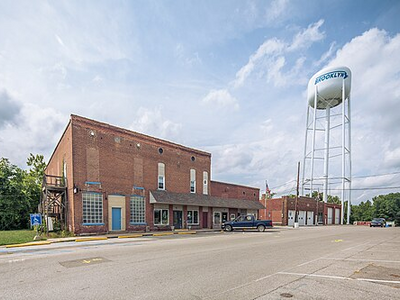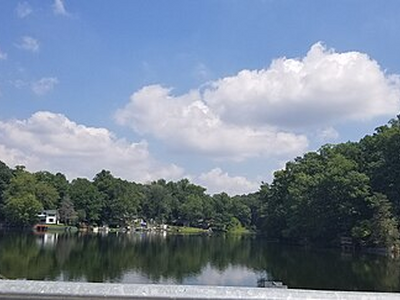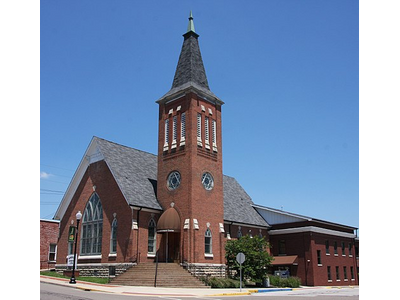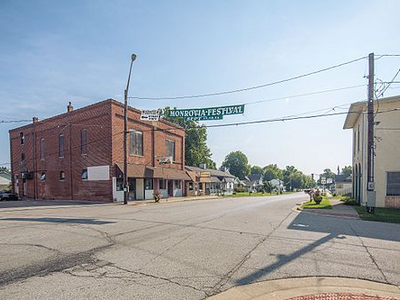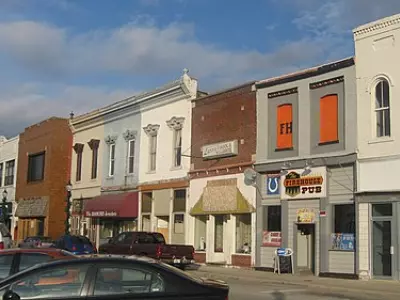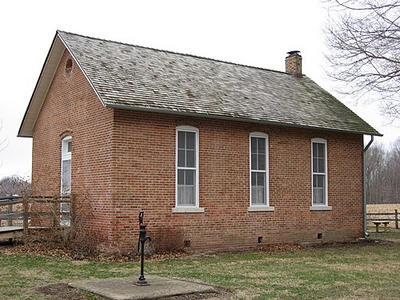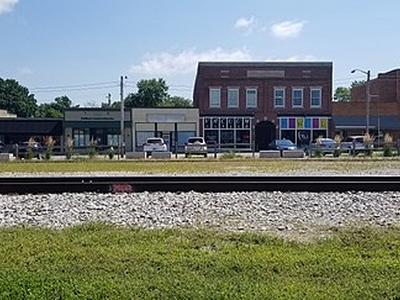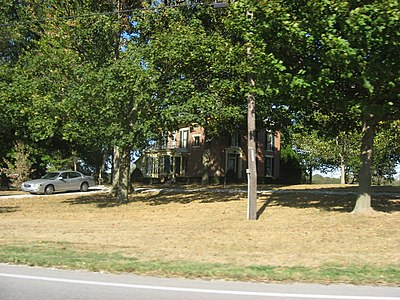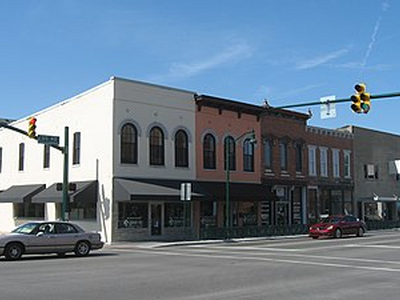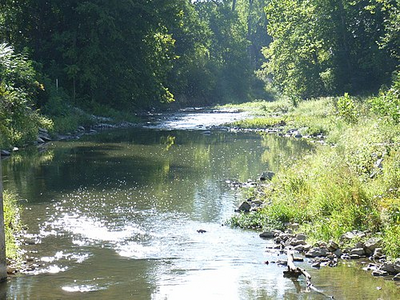
Bethany is located in the heart of Indiana and at first glance looks like a quiet village, but it offers lots of pictures. The mixture of small districts, wide forests and clear sky breaks makes the place an underestimated photo magnet. I like Bethany because you have the feeling that nature is in charge here, but still some nice street scenes are to be discovered. For photographers there are both quiet mornings and exciting evening moods.
I plan to shoot the image that captures the character of the city – from the first lights to the deep blue night. Civil Twilight is ideal to catch the city lights when the daylight is still weak. For soft, warm light I set on the Golden Hour; a good search term is “golden hour lighting plan Bethany”. The Sunset over the few buildings provides dramatic silhouettes. Later, during the Blue Hour, can be long-term exposures with the first stars. The map tool by poi‐travel.de, which is embedded under this text, shows the position of the sun, the direction (azimut) and helps to find the perfect line for recording.
The Preserve is the largest contiguous green area around Bethany and offers hiking trails, wetlands and open meadows. Especially photogenic are the morning mists that pull over the reed, and the small wooden bridges that are well suited for compositions. Nature is well maintained here, and there are regularly guided photowalks that convey insider knowledge.
Camp Victor is a historic summer camp that today serves as a recreation area. The old wooden buildings with weathered façades give a nostalgic flair, which works particularly well in counterlight. The small lake in the centre reflects the light of dusk and is a popular spot for night photography.
This camp is located on a slightly rising hill and offers wide fields that are covered by wild flowers in the summer. The combination of wide celestial breaks and individual tree groups creates an image with depth. Particularly impressive is the light that breaks through the tree crowns when the sun is deep.
A small but well preserved natural camp with a stream flowing through a moss-covered valley. The water produces beautiful veil effects during prolonged exposure, especially in dusk. The rustic stone bridges are a classic motif for architectural photography.
Pioneer Camp is a historical camp with original log houses and an open fireplace. The wooden structures act particularly strong when the light comes from behind and casts long shadows. At night, stars can be captured here because the light pollution level is low.
A densely wooded protected area with many hiking trails and small lights. The trees form a natural framework that is well suited for portrait or detail. In the autumn, the leaves are coloured in warm tones, which strengthens the golden hour.
Camp Riley is located on a small lake surrounded by a slight elevation. The panoramic view from the lake offers a quiet water surface that reflects the light of the dusk. Especially good is the combination of water, sky and the isolated boats, which provide dynamics in the picture.
Bethany combines small city army moments with a wealth of natural scenes that are photographically worthwhile all year round. Whether you're looking for sunsets, blue-hour moods or quiet forest paths, you'll find both here. Pack your camera, use the map tool for the sun position and enjoy the relaxed atmosphere that makes every picture detail a bit special.
With the map tool, you can plan the ideal location for a photo online in advance – taking into account the sun's path and the surroundings.
Here's how it works:
Advantage:
You can assess light, perspective and location before visiting the site – ideal for photography, sunrises and sunsets.
To find the exact point where the sun disappears behind the skyline, use the azimuth display on poi-travel.de. In Bethany, the sun travels further northwest below the horizon in summer, while in winter it takes a more southwesterly angle. With the embedded line on the map, you can determine your tripod position down to the metre.
| Phase | Characteristics | Top Attractions in Bethany |
|---|---|---|
| Golden Hour | Warm, soft light shortly after sunrise or just before sunset – ideal for landscapes and silhouettes. | Fred and Dorothy Meyer Nature Preserve, Camp Mallory, Bradford Woods Nature Reserve |
| Sunset | Dramatic transition, long shadows and intense colors – perfect for silhouettes and colored sky. | Fred and Dorothy Meyer Nature Preserve, Camp Mallory (Southwestern Hill), Camp Riley |
| Civil Twilight | Dawnlight after sunset, still enough ambient light for city and landscape recordings. | Fred and Dorothy Meyer Nature Preserve, Camp To‐Wa‐Ki, Bradford Woods Nature Reserve |
| Blue Hour | Low blue sky shortly after dusk – ideal for long-term exposures and starry sky. | Camp Victor, Pioneer Camp, Camp Riley |
| Photos | Settings (ISO/Blende/Zeit) | Professional tip |
|---|---|---|
| Fred and Dorothy Meyer Nature Preserve | ISO 200 – f/8 – 1/125 s | Use the Westende-Aussichtspunkt-Gerüst for silhouettes; focus on the foreground and use a light counterlight compensation. |
| Camp Victor | ISO 800 – f/2.8 – 30 s (Stativ) | Spiegle the colored skylight in the lake; use a remote control to avoid blurring. |
| Camp Mallory | ISO 100 – f/11 – 1/250 s | Start the flowering wild flowers in the foreground and keep the exposure short to prevent overexposure of warm sunlight. |
| Camp To‐Wa-Ki | ISO 400 – f/5.6 – 1/60 s | Position yourself on the wooden bridge for leading lines; look at the fog, which slightly softens the water. |
| Pioneer Camp | ISO 1600 – f/4 – 20 s (Stativ) | Focus on the tree crowns and let the sky shine in deep blue; use the “Long Exposure Noise Reduction” mode. |
| Bradford Woods Nature Reserve | ISO 100 – f/11 – 1/200 s | Choose a route as a guideline; use the Spot measurement mode to correctly expose the bright sun rays. |
| Camp Riley | ISO 400 – f/5.6 – 1/60 s (sunset) / ISO 800 – f/2.8 – 15 s (Blue Hour, tripod) | For the sunset, keep the stepper in the picture to maximize the reflections; for the Blue Hour use an ND filter to extend the exposure time. |
| Pioneer Camp | ISO 1600 – f/4 – 20 s (Stativ) | Start the bright stars above the trees; put the white balance on “cool” to emphasize the blue. |
| Bradford Woods Nature Reserve | ISO 200 – f/11 – 1/100 s | Use the forest path as a natural framework; watch the light play between tree trunks for texture. |
Only half an hour north is Indianapolis. The skyline sometimes looks a little too smooth, but the graffiti walls in the Mass Ave district give enough rough contrast for street shots. The Canal Walk is okay if you like water reflections, but the real picture only arises when the light dances over the bridges.
However, Columbus is a completely different case. There are these unusual, almost sculptural buildings by famous architects. The clear lines and the game with concrete and glass offer a good terrain for architecture photography, especially in the early hours of the morning when the shadows are still long.
A short trip to Brown County, more precisely to Nashville, takes you to a small artist village. The cobblestone roads, the old wooden houses and the surrounding forests almost look like a painting. When you are there in autumn, the light catches the colors of the leaves quite well.
But you shouldn't overlook Lafayette. The Purdue Campus architecture is a mix of traditional and modern style. The Campus Lake reflects the light, and the student streets give a bit of life without having to overflow.
A bit further east is Muncie. There is the Ball State University terrain with some interesting Brutalism buildings. The surrounding parks are quite quiet, ideal for long-term exposures of clouds over the trees.
In short, if you are looking for a place that is not too touristy, try the little town of New Castle. The old factory hall on the edge of the city has a little patina, and the light falling through the broken windows creates an almost mystical picture.
If you want some industrial aesthetics, look for Kokomo. There are old railroad rails that wind through the field, and abandoned warehouses that are a bit rusty but photographically exciting.
Villages, towns, districts, places and Vacation destinations you should visit.
©copyright by POI-Travel.de
info@poi-travel.de