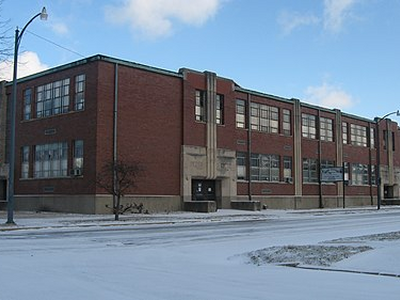
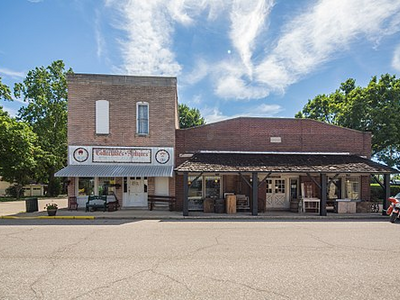
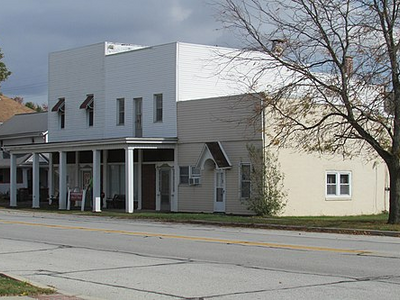
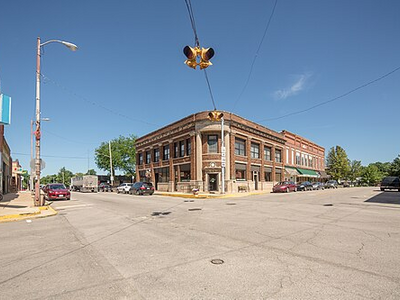
Denver is a small town in the heart of Indiana, which surprisingly offers a lot of photographic potential. I like the mix of open prairie, quiet waters and charming old buildings – this is immediately inspiring. For hobby photographers, the city is a real secret tip, because you can get to the Sightseeing in Denver can work. There are also numerous natural areas that provide new light moods at any time of day.
The key is in timing. During the Civil Twilight the cityscape slowly awakens, the first lights flicker – perfect for silhouettes. The Golden Hour delivers warm, diffuse light that highlights details; Just search for “Golden Hour Denver Indiana” in your app. The sunset over the few buildings creates dramatic colors that are well suited for panoramic images. In the Blue Hour, shortly after the fall, you can make long-term exposures and immerse the city in a deep blue. On this page of poi‐travel.de you will find a map tool that calculates the position of the sun and displays the direction by line – azimut values help you find the optimal angle.
This nature reserve is the main attraction for nature lovers in Denver. The Preserve offers dense forests, a clear stream and open meadows – ideal for landscape and macro photography. The paths are well marked, and in spring sprouted wild flowers that set colored accents. Opening hours: daily from sunrise to sunset, free admission. Insider tip: Position at the Creek Bridge at sunset, the water reflects the orange-red light and creates an atmospheric picture.
The Eel River WMA is another important Landmark for animal and landscape photographers. Here you can observe native birds, deer and sometimes even beavers. The area is accessible around the clock, no entrance fee, but the terrain is unfinished – fixed footwear is recommended. Best photo time: early morning when the fog is above the river. Insider proof: The viewpoint at the Westende offers a wide view over the river delta, perfect for panoramic recordings during the Blue Hour.
Hidden Creek is not only a campsite, but also a popular photo pot. The lake in the center reflects the surrounding trees and the sky, which is spectacular especially at sunrise. The place is open from May to October, reservation required, $15 per night. Entrance to the lake is free, but the campground area is only for guests. Practical tip: Use the early light for silhouettes of tents in front of the lake; that creates a calm, almost media image.
The city park is the central Landmark for urban photography. It offers a small lake, old oaks and a historical pavilion building. Opening hours: from sunrise to sunset, free admission. The park is particularly attractive to the Golden Hour because the light falls through the trees and throws soft shadows. Insider tip: The path along the lake leads to a small bridge, from there you will get a beautiful perspective on the pavilion roof that shines in the evening red.
The old town of Denver is a charming Landmarkwith restored brick buildings and small boutiques. The road is busy during the day, but at night, during the Blue Hour, it turns into a calm picture with warm lanterns. Opening hours: shops usually open at 9 a.m., close at 6 a.m.; the road is accessible around the clock. Practical note: Position at the Main & Broad intersection, where you will get the best guides for architecture photography.
Denver combines rural idyll with small urban highlights so you can find a strong motif almost everywhere. The diversity Sightseeing in Denver makes it easy to experiment from sunset to skyline to nightly city photography. Pack your camera, use the map tool for lighting planning, and you will come home with impressive shots.
With the map tool, you can plan the ideal location for a photo online in advance – taking into account the sun's path and the surroundings.
Here's how it works:
Advantage:
You can assess light, perspective and location before visiting the site – ideal for photography, sunrises and sunsets.
To find the exact point where the sun disappears behind the skyline, use the azimuth display on poi-travel.de. In Denver, the sun travels further northwest below the horizon in summer, while in winter it takes a more southwesterly angle. With the embedded line on the map, you can determine your tripod position down to the metre.
| Phase | Characteristics | Top attractions in Denver |
|---|---|---|
| Golden Hour | Warm, diffuse light; soft shadow, emphasizes colors and details. | Denver City Park, Walter H. and E. Marie Myers Nature Preserve, Hidden Creek Campground |
| Sunset | Intensive colors, long shadows, ideal for panoramic recordings. | Denver City Park, Walter H. and E. Marie Myers Nature Preserve, Historic Downtown Denver |
| Civil Twilight | Insulation light, first city light, good for silhouettes. | Historic Downtown Denver, Eel River Wildlife Management Area, Denver City Park |
| Blue Hour | Cool blue, long exposure times, city shines in gentle light. | Historic Downtown Denver, Eel River Wildlife Management Area, Denver City Park |
| Photos | Settings (ISO/Blende/Zeit) | Professional tip |
|---|---|---|
| Walter H. and E. Marie Myers Nature Preserve | ISO 200 / f/8 / 1/125 s | Use the Creek Bridge as the foreground; at sunset use the water as a reflector. |
| Eel River Wildlife Management Area | ISO 400 / f/5.6 / 1/250 s | Select the Westende point of view for animal recordings; use a tripod for 10‐15 s exposure at Blue Hour. |
| Hidden Creek Campground | ISO 100 / f/11 / 1/60 s | Early morning light for reflections at the lake; Capture silhouettes of tents on the shore. |
| Denver City Park | ISO 200 / f/4.5 / 1/200 s | Position yourself on the small bridge; emphasize the pavilion roof in the evening red. |
| Historic Downtown Denver | ISO 800 / f/2.8 / 1/30 s | use a tripod during the Blue Hour; Use the route at the Main & Broad intersection. |
Peru is just a bit south, but the skyline at the Wabash River is quite different. Old factory choir stones that shimmer reddish in the evening light offer a rough counterpart to the fields around Denver. The river itself reflects the light, so you can easily experiment with long exposures.
However, Wabash is not just a name on the map. The small town has a historic railway museum, which shows rusty locomotives and squeaky tracks. A short walk to the nearby Riverside Park also provides a few abandoned wooden bridges that almost surreal in fog.
Huntington, a bit further east, surprises with a mixture of college atmosphere and rural idyll. The campus of Huntington University has a few old brick buildings that look almost like silhouettes. And when you visit the nearby Big Blue River, there are some abandoned boats that drive in the water – a good motive for a little storytelling.
Marion, the largest city in the area, has a few industrial areas that you usually overlook. There are old warehouses with graffiti, which is almost art. The light conditions in the late afternoon, when the sun falls through the high windows, create long shades that make the image more interesting.
Short drive to Muncie, and you will find the Ball State University Campus area. The modern glass facades contrast strongly with the old brick buildings. It becomes particularly exciting to include the student sculptures in the outdoor area – a bit urban, a bit academic.
Anderson is a bit further north, but the city has an old railway tunnel that is still used. The tunnel looks dark and inviting for long-term exposures, especially when you catch a few lights from passing trains. In addition, there are some old factory choir stones standing in front of the sky almost like silhouettes at sunset.
Kokomo, the next larger town, has a few abandoned industrial facilities at the wildcat creek. It is possible to capture the rusted structures with a wide-angle lens, while the water flows slightly in the foreground. It looks a bit rough, but it makes the appeal.
If you drive a bit further north, you reach Noblesville. There is the old town hall, which with its red brick facade almost looks like a film set. The adjacent White River offers a calm water surface that is almost mirror-smooth in calm weather – perfect for reflections.
Tipton, a small place, has some old barns surrounded by pastures. The light falling through the branches creates a beautiful pattern on the wood surfaces. You can easily catch a little rural romance here without having to put it.
Villages, towns, districts, places and Vacation destinations you should visit.
©copyright by POI-Travel.de
info@poi-travel.de