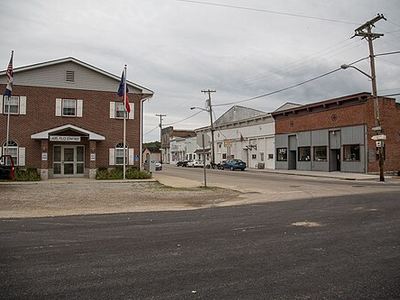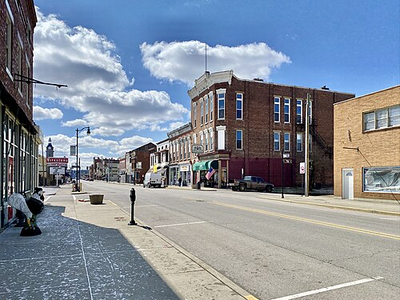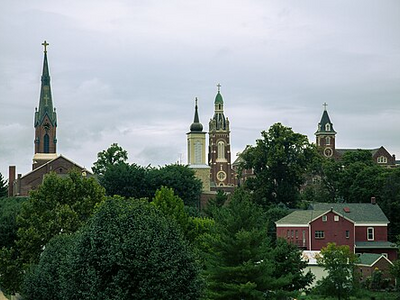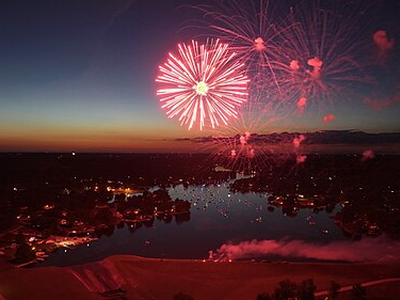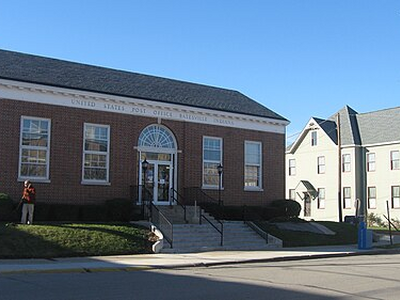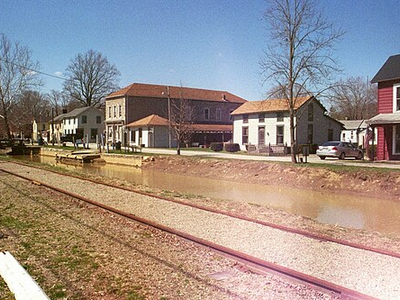
Metamora is located on the quiet Whitewater Canal and looks like a small time capsule village. I like the mix of historical brick architecture and untouched nature – perfect for spontaneous image compositions. For hobby photographers there are countless Sightseeing in Metamorawhich can easily be reached on foot. The city is not overrun, but full of interesting angles that capture the light particularly well. In short, Here almost every moment can be made a picture.
I plan the shooting around the natural light phases:
The map tool of poi‐travel.de, which is embedded under this text, shows the position of the sun and indicates the azimuth (horizontal angle) as a line. So you can exactly plan the direction.
The aqueduct is the main attraction in Metamora and is considered the largest preserved wood aqueduct in the USA. The massive stone and wood construction is reflected in the calm water of the canal and offers a strong motif for sunset and blue-hour recordings. Opening hours: open all year round, no entry. Best time: early morning hours when the light from the east illuminates the water, or shortly after sunset for silhouettes. Insider tip: From the west side you have a clear view of the entire span, ideal for panoramic shots.
This monument recalls the history of the canal and is a popular photo location due to its artistic metal sculpture. The structure captures the light of the Golden Hour particularly well because the metal surfaces reflect. Free admission, opening hours around the day. It is recommended to take a short walk along the canal road to find different perspectives. Local Note: Around noon the monument throws hard shadows – better photograph early or late.
The park is a green retreat with wide meadows, old oaks and a small brook that flows through the terrain. For night photography, the open field offers a clear view of the starry sky, while the water produces light reflections. Free admission, opening hours 6 a.m. to sunset. The best photo moment is the Blue Hour when the water is almost black and the lights of the small visitor center shine. Tip from locals: The wooden ridge at the Nordende is less frequented and provides calm compositions.
The Maislabyrinth complex is open every autumn weekend and offers colorful, structured patterns that are well suited for abstract recordings. During the Golden Hour, the golden yellow foliage immerses the labyrinth in a warm light. Entrance: $8 for adults, $5 for children, opening hours from 10 am to 6 pm. For a particularly interesting picture, a wide-angle lens is recommended to capture the interwoven paths. Insider info: The viewpoint at the highest point of the maze offers a wide view over the entire field.
The lake is located just outside of Metamora, but can be reached by car in 15 minutes and a top spot for landscape and water photography. The clear water reflects the surrounding hills and the sunset creates spectacular colors. Free entrance, parking costs $2 per day. The best time is the late Golden hour when the light slides gently over the water surface. Local tip: The small boat landing pavilion in the southwest is less visited and offers calm compositions.
The park houses the annual county fairground and offers wide lawn areas, old trees and a historic giant wheel. The combination of modern exhibition architecture and rustic nature is interesting for photography. Free admission, opening hours from 7 am to 22 pm. The giant wheel at the Blue Hour is particularly photogenic when the lights glow and the surrounding field is in the twilight. Inside evidence: The small pavilion on the eastern edge has a roof structure that throws interesting shadows.
A small campsite on the edge of the Whitewater Canal, which is often overlooked. The rustic wooden huts and the open campfire place offer authentic scenes for night photography. Entrance: $10 per parking space, opening hours around the clock. The light of the campfire in combination with the Blue Hour produces warm atmospheric images. Tip: Early in the morning, when the light breaks through the trees, beautiful silhouettes arise.
Metamora combines historical Sightseeing in Metamora with a relaxed natural landscape that is photographically charming at any time of day. Whether Golden Hour above the aqueduct, Blue Hour at the park or night shooting at the camp – the diversity is impressive. If you plan a few days, you can find a new favorite picture almost every day.
With the map tool, you can plan the ideal location for a photo online in advance – taking into account the sun's path and the surroundings.
Here's how it works:
Advantage:
You can assess light, perspective and location before visiting the site – ideal for photography, sunrises and sunsets.
To find the exact point where the sun disappears behind the skyline, use the azimuth display on poi-travel.de. In Metamora, the sun travels further northwest below the horizon in summer, while in winter it takes a more southwesterly angle. With the embedded line on the map, you can determine your tripod position down to the metre.
| Phase | Characteristics | Top Attractions in Metamora |
|---|---|---|
| Golden Hour | Warm, soft lighting – ideal for detailed recordings. | Duck Creek Aqueduct, Whitewater Canal Memorial, Metamora Corn Maze, Brookville Lake |
| Sunset | Dramatic silhouettes over water and bridges. | Duck Creek Aqueduct, Brookville Lake |
| Civil Twilight | Gentle blue, first city lights immerse structures. | Whitewater Canal Memorial |
| Blue Hour | Cool tones, ideal for long-term exposures. | Whitewater Valley Gateway Park, Franklin County Park and Fairgrounds, Bear Creek Camp, Duck Creek Aqueduct |
| Photos | Settings (ISO/Blende/Zeit) | Professional tip |
|---|---|---|
| Duck Creek Aqueduct | ISO 200 / f/8 / 1/125 s | Use the vest for silhouettes; a light counterlight emphasizes the wood structure. |
| Whitewater Canal Memorial | ISO 400 / f/5.6 / 1/250 s | Position laterally to emphasize the reflective metal surfaces. |
| Metamora Corn Maze | ISO 100 / f/11 / 1/60 s | Wide-angle lens to capture the labyrinth-like paths; golden light at the highest point. |
| Whitewater Valley Gateway Park | ISO 800 / f/2.8 / 15 s (Stativ) | Long-term exposure during the Blue Hour; use the wooden ridge for calm compositions. |
| Franklin County Park and Fairgrounds | ISO 400 / f/4 / 5 s (Stativ) | Start the giant wheel with bright lights; a light bokeh creates mood. |
| Bear Creek Camp | ISO 1600 / f/2.0 / 1/30 s | Use the storage fire as the main light source; keep the camera stable for clear details. |
Brookville is just half an hour north and looks like a small museum of brick houses. The old cobblestone streets capture the light well, especially in the early morning when the shadows are still long. The nearby Whitewater Canal offers quiet water surfaces that create reflections of trees and bridges – a bit like a quiet lake, just with more history.
However, Connersville is not exactly a tourist magnet, but a good destination for street photography. The city center has a few abandoned factory buildings, whose rusty facades seem almost poetic in contrast. There you will also find graffiti art, which surprisingly fits well into the industrial environment.
Richmond, a little further east, has a quite interesting railway museum. The old locomotives and rails offer clear lines and textures that are well suited for black and white recordings. The nearby Whitewater River flows through the city to combine both urban and natural motifs.
Madison am Ohio-Ufer is a bit further, but the ride is worthwhile if you are looking for dramatic river landscapes. The view from the Riverfront Park to the old shipwrecks is a classic that you don't see too often. The city itself has a few weathered brick buildings that look almost like silhouettes in the backlight.
Nevertheless, one should not forget the Hoosier National Forest. The forest trails are not overrun, especially in autumn, when the leaves become a bit more blurred. Light beams that break through the trees create an almost mystical image that is well suited for long-term exposures.
Brown County State Park is another place that is interesting for landscape photographers. The hills are not perfectly shaped, rather a bit rugged, which gives the pictures more character. At the viewing points you can catch the wide fields and the scattered farms – a good counterpart to the more urban motifs.
Versailles, a small town in the heart of the country, has a few old barns surrounded by sunflowers in the summer. The image is almost too idyllic, but the light disorder of the plants gives the whole a natural touch. Perfect when looking for a quiet, almost forgotten place.
Villages, towns, districts, places and Vacation destinations you should visit.
©copyright by POI-Travel.de
info@poi-travel.de