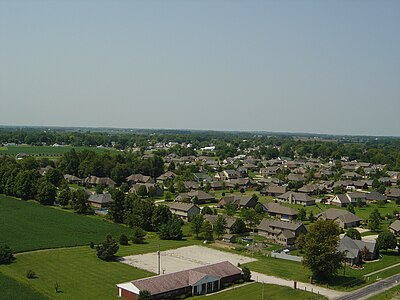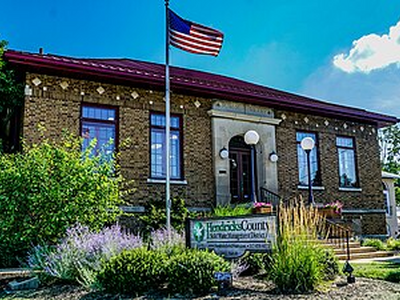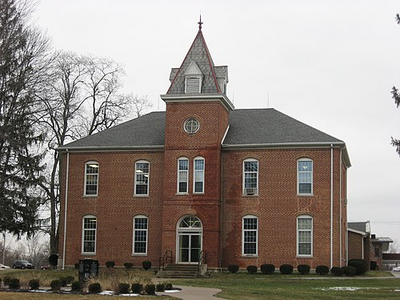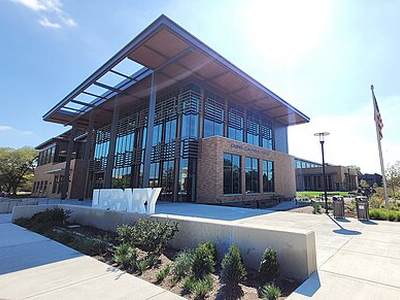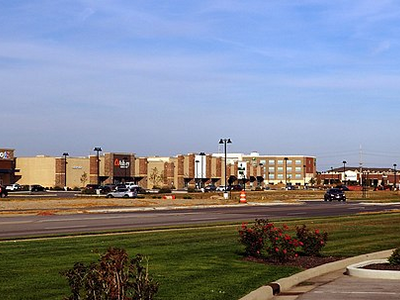
Whitestown is located in the heart of Indiana and has more green areas than one would suspect at first sight. The mixture of modern residential areas and open fields surprisingly provides many contrasts. I like the city because it is not overrun and you find a quiet place for a picture almost everywhere. For hobby photographers, this is a real plus point.
The plan begins with the Civil Twilight – this is the moment when the first lights of the city begin to shine. Then the Golden Hour, the warm, soft light, the building and trees dive into a soft gold. Shortly before sunset, the dusk can be caught over the few buildings; the silhouettes are particularly strong. The Blue Hour is ideal for long-term exposures because the blue light makes the sky almost velvety. On the side of poi‐travel.de there is a map tool that calculates the position of the sun and indicates the direction by line. The azimuth value helps to determine the exact horizontal angle – practically if you want to align the light exactly.
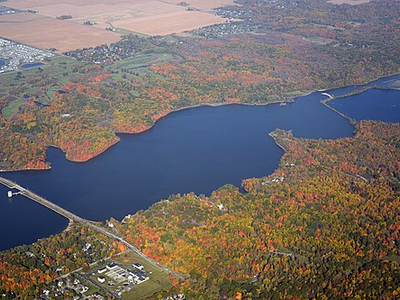
The park is the heart of Whitestown and offers wide meadows, a small lake and a modern amphitheater. Particularly photogenic is the reflecting water at sunrise; the surrounding trees create a beautiful frame motif. Entrance is free, opening hours are daily from 6 am to 2 pm. For the best picture it is recommended to visit shortly after sunrise when the light is still gentle. Insider tip: The way to the north end of the lake has a hidden wooden deck that looks almost magical in fog.
Panther Park is a small but well maintained urban park with a playground and a sculpture of a metal panther. The metal figure reflects the light of the Golden Hour particularly well, so you can achieve interesting light and shadow effects. The park is free and has opening hours from 7 am to 8 pm. In the late afternoon, when the sun is deep, the sculpture casts long shadows – a great motif for silhouettes. Insider proof: On the west side there is a small beet with wild flowers, which shines colourful in spring.
Silo Park is a former agricultural area that has been converted into a public recreation area. The old grain silo serves as a distinctive background element, especially at sunset, when the orange-red light heats the metal. Entry is free, opening hours: 6 a.m. to 9 p.m. For long-term exposures during the Blue Hour you can use the silo as a central point and integrate the surrounding fields as a foreground. Insider tip: On the south side there is a small wooden house, which provides a beautiful silhouette image with backlight.
A vast network of hiking and cycling trails spans through forests and open fields. The paths offer numerous photo stands, especially on the small bridges over streams. The park is free and accessible 24 hours a day, but a visit is recommended between 8:00 and 10:00 for soft morning light. During the Golden Hour, the trees immerse themselves in a warm light that is wonderfully reflected in the water surfaces. Insider proof: The viewpoint at the highest hill has a panoramic poster indicating the direction of the sky – practically for the azimuth calculation.
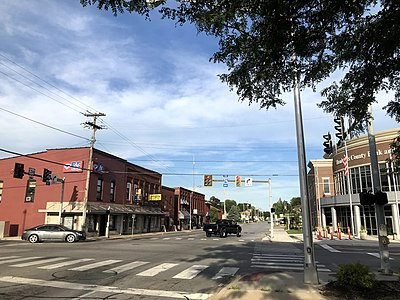
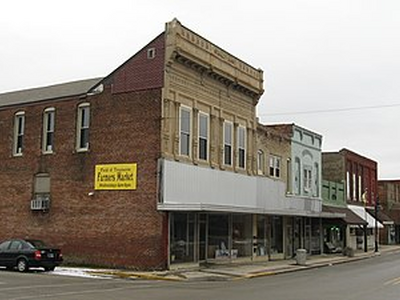
The park is located directly on the main street of Whitestown and combines urban flair with green areas. A small fountain and a historical sign from the 1900s give character to the place. Entrance is free, opening hours from 7 am to 22 pm. The dusk over the street produces interesting light strips that reflect in the water of the well – perfect for night photography. Insider tip: On the east side there is an old brick building, which shows a beautiful light through-light.
Harvest Park is a family-friendly park with wide lawns, a pavilion and a small orchard. In the late summer, the fruit trees offer coloured accents that fit well into the image composition. The park is free, opening hours from 6 am to 8 pm. The long rows of trees that form a natural frame motif are suitable for the Blue Hour. Insider proof: The pavilion has a roof made of wood shingles, which produces a warm light in counterlight.
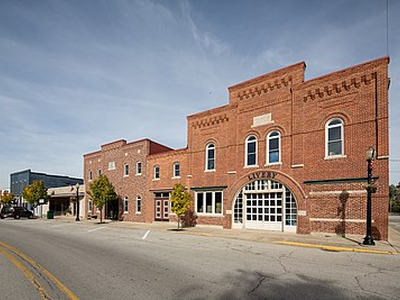
Carter Station is a restored railway station building from the early railway period. The brick facade and the old signal gate offer a nostalgic setting, especially at night when the building is lit. Entrance is free, the building is open from 8 am to 6 pm. For sunset photos, a place is recommended in the adjacent parking lot where you have the rails in the foreground. Insider tip: On the roof there is a small view tower area that allows a wide view over the city – ideal for panoramic views during the Blue Hour.
Whitestown combines open landscapes, modern parks and a few historical corners that together provide a varied photo material. Whether you want to capture the first city lights in the Civil Twilight or plan long exposures during the Blue Hour – the city has something to offer for any light mood. And the best thing: most of the spots are free and not overrun, so you can still take your best shots.
With the map tool, you can plan the ideal location for a photo online in advance – taking into account the sun's path and the surroundings.
Here's how it works:
Advantage:
You can assess light, perspective and location before visiting the site – ideal for photography, sunrises and sunsets.
To find the exact point where the sun disappears behind the skyline, use the azimuth display on poi-travel.de. In Whitestown, the sun travels further northwest below the horizon in summer, while in winter it takes a more southwesterly angle. With the embedded line on the map, you can determine your tripod position down to the metre.
| Phase | Characteristics | Top Attractions in Whitestown |
|---|---|---|
| Golden Hour | Warm, soft light shortly after sunrise or before sunset; long shade, golden tones. | Panther Park, Walker Farms Park and Trails |
| Sunset | Intensive orange-red light, silhouettes emphasize structures. | Silo Park, Carter Station |
| Civil Twilight | First city lights, gentle dusk, ideal for city and street recordings. | Main Street Park, Carter Station |
| Blue Hour | Velvety blue light, perfect for long-term exposures and silhouettes. | Silo Park, Harvest Park Community Park, Carter Station |
| Photos | Settings (ISO/Blende/Zeit) | Professional tip |
|---|---|---|
| Lion's Community Park | ISO 200 / f/8 / 1/125 s | Use the wooden deck at the north end of the lake for reflections in the morning fog. |
| Panther Park | ISO 400 / f/5.6 / 1/250 s | Position west to emphasize the metal sculpture in counterlight. |
| Silo Park | ISO 100 / f/11 / 1/60 s (sunset) – ISO 400 / f/2.8 / 30 s (Blue Hour) | Use the wooden house on the south side as a silhouette element. |
| Walker Farms Park and Trails | ISO 200 / f/4 / 1/200 s | Check the Azimut value for the sun on the highest hill. |
| Main Street Park | ISO 800 / f/2.8 / 1/30 s (damping) – ISO 1600 / f/2 / 10‐15 s (Blue Hour) | Use reflections in the fountain, especially in the case of backlight from the brick building. |
| Harvest Park Community Park | ISO 400 / f/5 / 1/100 s (Blue Hour) | The pavilion provides a warm light as a counterlight motif. |
| Carter Station | ISO 200 / f/8 / 1/125 s (sunset) – ISO 800 / f/2.8 / 20 s (Blue Hour) | Plan Panorama recordings during the Blue Hour on the roof-outview tower. |
However, the small Carmel is not just a suburb – the art districts along Main Street have plenty of graffiti walls that are well suited for contrasting recordings. You can also find old factory buildings, which with new light play almost seem a bit melancholic.
Short drive to Zionsville leads you to a village that looks like a different time. Headstone plasters, half-timbered houses and a small river that passes through the centre – perfect for quiet morning moods when the light is still gentle.
Westfield has a huge skate park that looks almost like a colored kaleidoscope at sunset. The lines of the ramps and the game of shadows give you many ways to test dynamic compositions.
A detour to Noblesville takes you to the White River. There are old bridges of wood that look almost spooky in the fog. If you're lucky, the water catches the reflections of the trees.
If you're looking for something ridiculous, go to Brown County. The hilly landscape, which is sprinkled by deciduous trees, is almost too colorful in autumn, but you can just use it to overload colors.
A short trip to Columbus surprises with its architecture. There are several concrete buildings designed by local artists – a bit rough, a bit futuristic, and the light breaks there in an unusual way.
A stop in Lafayette is worthwhile for nightly recordings. The campus of Purdue University has a few old auditoriums with high windows that are illuminated from the inside at night. This gives you a little academic flair that you don't find anywhere.
And if you want a little more nature, look at the Turkey Run State Park. The canyons and the clear water provide you with reflections that look almost too perfect, but that can be used for experimental long-term exposures.
Villages, towns, districts, places and Vacation destinations you should visit.
©copyright by POI-Travel.de
info@poi-travel.de