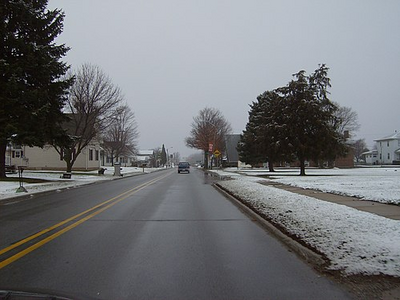
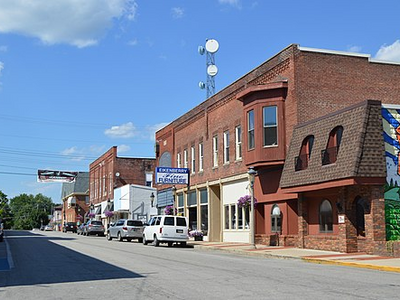
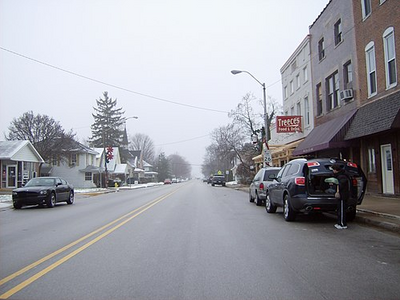
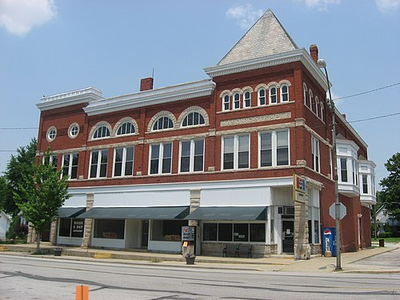
Burlington is located on the quiet shore of the Tippecanoe River and at first glance looks like a small, unexcited place. This is what makes him exciting for hobby and professional photographers: few people, open spaces and a mix of historical industry and nature. I like the city because it surprisingly offers many different light moods that you can easily catch. There are also some hidden corners here that even experienced picturemakers rarely visit.
I plan to shoot the image that summarizes the character of the city in a single shot. I use the four classic light phases:
The map tool of poi‐travel.deembedded under this text calculates the position of the sun and indicates the direction as a line. It is possible to enter the azimuth (horizontal angle) and to plan exactly where the light falls best.
The central park is located directly on the river and offers wide green areas, a small ridge and a playground that provides great silhouettes in the backlight. The park is the heart of the city, so there are often local events that generate additional light sources. Opening hours: daily from sunrise to sunset, free admission. For the best picture, the golden hour is recommended in the early evening when the water reflects the orange-red light. Insider tip: The old oak tree on the northwest edge throws an interesting pattern on the lawn – ideal for portrait or detail shots.
The restored mill from 19th Century stands majestic on the banks of the Tippecanoe River. The brick building, the functioning water wheel and the surrounding fields form a classic, almost cinematic setting. According to the official side of the Indiana State Park, the area is open from May to October every weekend from 10 am to 4 pm; Admission is free, guided tours cost about 5 USD per person. The best time for a picture is the blue hour when the illuminated mill wheel shimmers in dark water. Insider tip: On the left side of the wheel there is a small wooden bridge from which you can catch the water in long exposures.
The covered framework bridge, located just a few meters from the mill, is a popular photo motif because it combines the classic image of a rural bridge with the river in the background. The bridge is open all year round, no entry is required. It is particularly photogenic during the golden hour when the sunlight falls through the wooden laths and paints patterns on the water. Insider tip: If you come from the south side, you can choose the angle of view so that the river bank is slightly blurred in the foreground – this creates depth.
The fishing area on the river is not only a highlight for anglers, but also for photographers looking for calm water surfaces and reflections. The facility is operated by the Indiana Department of Natural Resources, is open all year round and free of charge. The best shots occur in the early dawn when fog is above the water and the first sun rays penetrate the surface. Insider tip: On the right there is a small wooden pavilion, from which you can project the light of the sun down to the water – perfect for silhouettes from Anglern.
Just a few kilometres south of Burlington, this well-maintained park with a small lake, playgrounds and an open meadow is well suited for wide landscape photography. The park is open daily from 6 a.m. to 2 p.m., free admission. The blue hour above the lake provides a deep blue reflected in the water – a classic motif for night photography. Insider tip: On the eastern edge there is an old tree house, which offers an interesting silhouette motif in counterlight.
Burlington combines historical industry, calm river landscapes and open green areas, so you can find new photo opportunities at any time of the day. Whether you want to capture the golden rays above the mill, the blue dusk on the lake or the city light in the Civil Twilight – the city supplies the material that makes your images unique. Pack your camera, use the sun position map tool and enjoy a relaxed photo holiday in Indiana.
With the map tool, you can plan the ideal location for a photo online in advance – taking into account the sun's path and the surroundings.
Here's how it works:
Advantage:
You can assess light, perspective and location before visiting the site – ideal for photography, sunrises and sunsets.
To find the exact point where the sun disappears behind the skyline, use the azimuth display on poi-travel.de. In Burlington, the sun travels further northwest below the horizon in summer, while in winter it takes a more southwesterly angle. With the embedded line on the map, you can determine your tripod position down to the metre.
| Phase | Characteristics | Top Attractions in Burlington |
|---|---|---|
| Golden Hour | Warm, soft light shortly after sunrise or before sunset – ideal for silhouettes. | Burlington City Park, Adams Mill Covered Bridge |
| Sunset | Red, intense light over the buildings, long shadows. | Burlington City |
| Civil Twilight | First city lights flicker, water reflects the twilight. | Burlington City |
| Blue Hour | Cool blue phase after sunset – perfect for long-term exposures. | Adams Mill State Historic Site, Flora Community Park |
| Photos | Settings (ISO/Blende/Zeit) | Professional tip |
|---|---|---|
| Burlington City | ISO 200 / f/5.6 / 1/250 s | Use the counterlight of the old oak tree for silhouettes; focus on the foreground to highlight the pattern. |
| Adams Mill State Historic Site | ISO 400 / f/8 / 2 s (Stativ) | During the Blue Hour capture the lit mill wheel; use a tripod and a remote control for long exposures. |
| Adams Mill Covered Bridge | ISO 100 / f/11 / 1/125 s | Position yourself south so that the light falls through the wooden slats and paints patterns on the water. |
| Adams Mill Public Fishing Area | ISO 800 / f/4 / 1/60 s | Use the wooden pavilion as the foreground to create silhouettes of anglers in counterlight. |
| Flora Community Park | ISO 1600 / f/2.8 / 10 s (Stativ) | Catch the blue water above the lake; the old tree house provides a strong counterlight motif. |
Delphi is just a short drive away and looks like a small outdoor museum. The old brick buildings along Main Street cast interesting shadows, especially when the light falls through the narrow alleys. The nearby Tippecanoe River also offers a few quiet spots where the water passes over stones – perfect for long-term exposures.
However, Lafayette is not only the home of Purdue. The Wabash river runs through the city, and the bridges there create nice lines that reflect in the evening red. The skyline with the silhouettes of the factory choir stones sometimes looks somewhat rough, but that gives the pictures character.
In short, Crawfordsville has a bit of everything. The college gardens are well maintained, but the old brick houses in the city centre are slightly weathered. Especially the small alleys behind the main square offer surprising perspectives when changing the angle of view.
Kokomo is a bit more industrial. There are abandoned warehouses, whose rusty metal surfaces almost shimmer in sunlight. The old railway tracks that lead through the city can serve as guidelines for compositions – a bit like a modern, urban still life.
If you want something colorful, look for Warsaw. The small canal that flows through the city is lined with old brick buildings that are surrounded by cherry blossoms in the spring. The light there is often soft, and the reflections in the water give the photos a calm touch.
The Tippecanoe River near Delphi has some hidden places where the water falls over small rocks. The noise is barely audible, but the splashes in the light can look almost like small crystals – ideal for macro recordings.
A short detour to Peru takes you to the Wabash Bridge, which runs over the river. The bridge construction is a good example of old engineering, and the combination of water, sky and steel creates an interesting triangle of shapes.
A trip to the Hoosier National Forest is worth a little bit of pure nature, but the dense forests and clear lights offer a welcome change to the urban motifs. The paths there are not overrun, so you can experiment undisturbed.
Villages, towns, districts, places and Vacation destinations you should visit.
©copyright by POI-Travel.de
info@poi-travel.de