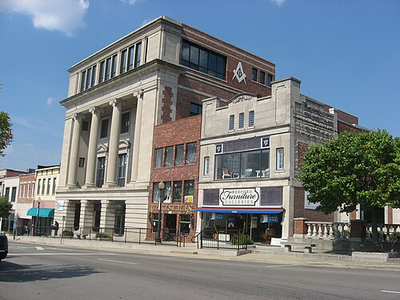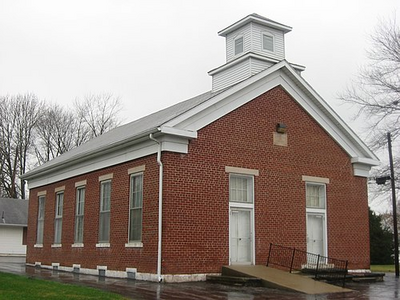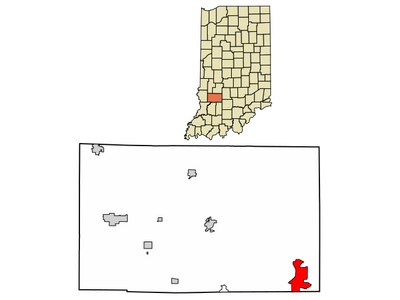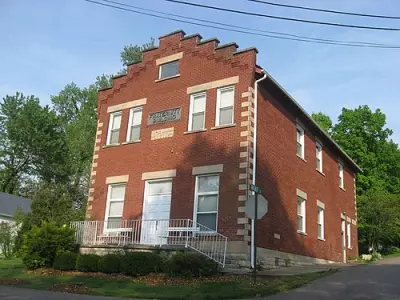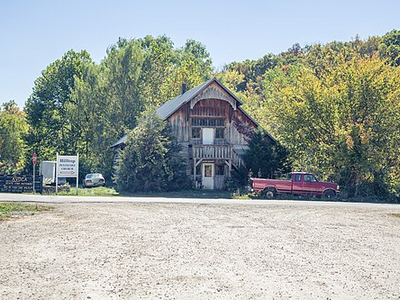
Avoca is a small town in the heart of Indiana, which surprisingly offers many photogenic corners. The mixture of rural fields, quiet waters and a few historic buildings makes it an underestimated destination. I like Avoca because the atmosphere is relaxed here and you can make a good picture almost everywhere. If you're interested Sightseeing in Avoca look, you're right here.
The key is in timing. During the Civil Twilight start glowing the first city lights – perfect for silhouettes. The Golden Hour provides warm, soft light that works especially in the fields around the city. The Sunset over the few buildings creates dramatic colors that are well suited for panoramic images. In Blue Hour you can try long-term exposures from the illuminated bridges at Indian Creek. On the side of poi‐travel.de you will find a map tool that calculates the position of the sun and displays the direction by line; Azimut values help you plan the exact angle.
The Hatchery is the main attraction in Avoca and a real photo magnet. There are clear streams, and the fish basins reflect the light as small mirrors. The facility is open all year round, free admission, and the best shots are created early in the morning when the water is still calm. The combination of nature and industrial charm makes this Landmark especially photos.
Practical tips: Opening hours 6 a.m.–18 p.m., parking directly at the entrance, no entrance fees. There are little visitors in the morning.
Insider tip: Use a pole filter to damp the sunlight in the water, and look out for the colorful carp that likes to swim near the webs.
Located on the banks of Indian Creek, this camp offers a quiet Landmark for landscape and water photography. In summer the water is clear, in autumn it reflects the colourful foliage. Access is free, the grounds are open 24 hours a day, but the camp itself has opening hours from 8 am to 20 pm.
Practical tips: Best lighting conditions in Golden Hour in the late afternoon when the water shimmers golden yellow.
Insider tip: A short walk up the path leads to a small wooden ridge from which you can catch the entire bend of the brook.
The Oolitic Park is a small town park with a historical monument of limestone. The stone structures offer interesting textures, which particularly emerge with lateral light. The park is open daily from 7 a.m. to 10 p.m., free admission. The combination of nature and stone makes this Landmark to a versatile photo pot.
Practical tips: Early in the morning there are few people, ideal for clear compositions.
Insider tip: During the Blue Hour the light throws long shadows on the stones – a great motif for long exposures.
Dickinson Park is a family-friendly park with a small lake, playgrounds and an open meadow. The lake reflects the surrounding trees and the sky, making it a popular Landmark for reflections. Opening hours 6 a.m.–23 p.m., free admission.
Practical tips: The late afternoon provides soft light that calms the water surface.
Insider tip: On the west side of the lake there is an old wooden boat that is excellently suited as a foreground for compositions.
The Lions Club Park is a small but well maintained green area with a historical monument to the local fire department. The well-maintained flower beds and the open field offer good opportunities for portraits and macro recordings. The park is open daily from 8 am to 9 pm, free admission.
Practical tips: The best colours can be found in late spring when the flowers are full of flowers.
Insider tip: Use the dusk for a light bokeh behind the monument – this creates a beautiful, slightly dreamy picture.
Murray Forest Park is a larger forest area with hiking trails, a small playground and an open field that is often used for local events. The dense trees and the soft light under the canopy make this place an interesting Landmark for forest and nature photography. The park is accessible 24 hours a day, free admission.
Practical tips: For Blue Hour you can use the open field to photograph the sky over the trees.
Insider tip: A hidden viewpoint at the end of the northern path offers a wide view over the valley – ideal for panoramic sunsets.
The Judah Community Park is located just outside the center but offers a quiet lake and several wooden bridges. The bridges are particularly photogenic when they are in the opposite direction of the sun. The park is open daily from 7 a.m. to 10 p.m., free admission.
Practical tips: The late afternoon until sunset provides the best light for silhouettes.
Insider tip: If you bring a tripod, you can Blue Hour make long exposures to show the lights of the surrounding houses as strips in the water.
A holiday in Avoca combines relaxed rural atmosphere with many interesting Sightseeing in Avoca, which are excellent for photography. Whether you're looking for sunsets, blue-hour voices or simple natural images, you'll find enough material to expand your image collection.
With the map tool, you can plan the ideal location for a photo online in advance – taking into account the sun's path and the surroundings.
Here's how it works:
Advantage:
You can assess light, perspective and location before visiting the site – ideal for photography, sunrises and sunsets.
To find the exact point where the sun disappears behind the skyline, use the azimuth display on poi-travel.de. In Avoca, the sun travels further northwest below the horizon in summer, while in winter it takes a more southwesterly angle. With the embedded line on the map, you can determine your tripod position down to the metre.
| Phase | Characteristics | Top Attractions in Avoca |
|---|---|---|
| Golden Hour | Warm, soft light, ideal for golden reflections on water and fields. | Indian Creek Camp, Dickinson Park |
| Sunset | Dramatic colors, long shadows, perfect for silhouettes and panorama. | Murray Forest Park, Judah Community Park |
| Civil Twilight | First city lights, gentle dusk, good for silhouettes and light tracks. | Dickinson Park, Lions Club Park |
| Blue Hour | Cool blue tones, long exposures, emphasizes light reflections. | Oolitic Park, Murray Forest Park, Judah Community Park |
| Photos | Settings (ISO/Blende/Zeit) | Professional tip |
|---|---|---|
| Avoca Fish Hatchery | ISO 200 / f/8 / 1/250 s | use pole filters to control reflections in the water; Focus on carp. |
| Indian Creek Camp | ISO 400 / f/5.6 / 1/200 s | Use the wooden bridge as the foreground; golden light emphasizes the water. |
| Oolitic Park | ISO 800 / f/4 / 5 s (Stativ) | Long-term exposure during the Blue Hour for dramatic shadows on limestone. |
| Dickinson Park | ISO 400 / f/5.6 / 1/160 s | Position the old wooden boat in the foreground for reflections in the lake. |
| Lions Club Park | ISO 200 / f/8 / 1/250 s | macro photos of the flowers in the evening light; open background for Bokeh. |
| Murray Forest Park | ISO 800 / f/4 / 8 s (Stativ) | Use the panoramic viewpoint at sunset; Capture heaven in the picture. |
| Judah Community Park | ISO 1600 / f/2.8 / 12 s (Stativ) | long-term exposure of the illuminated bridges during the Blue Hour; Water as traces of light. |
However, the first objective that I find is the Hoosier National Forest. There are old beech, clear streams and a bit of fog in the morning – perfect for silhouettes and light long term exposures.
A short trip to Brown County State Park almost looks like a natural filter. The hills are not perfectly symmetrical, the light breaks through the leaves and throws irregular shadows that make photos a little rough.
Bloomington is not far away and surprised with a mixture of campus architecture and street art. The old brick buildings sometimes seem somewhat overloaded, but this gives the image character.
If you want some history, look at Corydon. The old courthouse has a slightly weathered exterior, which is almost dramatic at sunset – but not too cheesy.
A short stop in Nashville, Indiana, delivers the Ohio River as a calm water surface. The river reflects the light, and the small boats in the background give the picture a bit of life without distracting too much.
Mitchell is a small place, but the murals there are surprisingly colorful. They sometimes seem a bit too bright, but you can use this to set contrasts.
Columbus is a bit further, but a paradise for fans of modern architecture. The buildings of Eero Saarinen are clear, sometimes almost too sterile, but that can be put into scene with counterlight beautifully.
French Lick has the old resort feeling a little nostalgic. The empty halls and the rusted shield give a bit of decay, which works well for black and white recordings.
Finally a hint: The path to New Albany leads you to the Ohio-River-Promenade. There are old factory choir stones that look almost like silhouettes in the backlight – a nice finish for a photo day.
Villages, towns, districts, places and Vacation destinations you should visit.
©copyright by POI-Travel.de
info@poi-travel.de