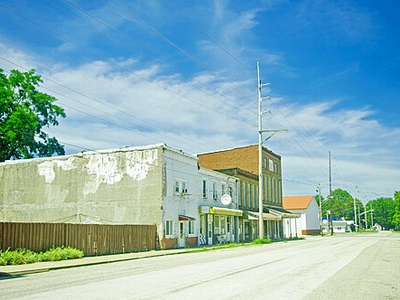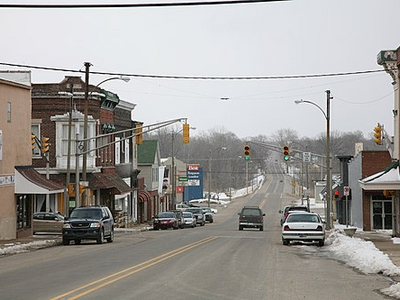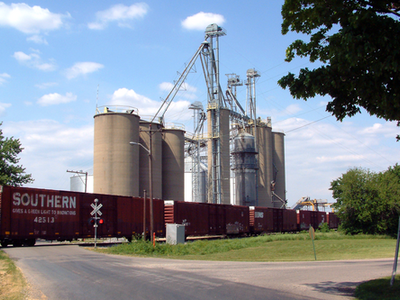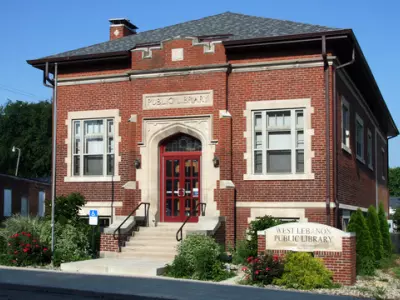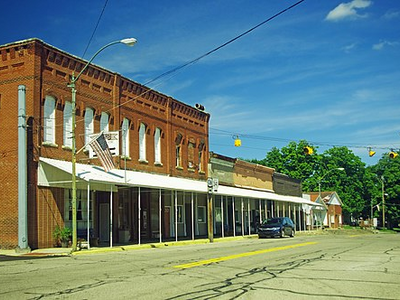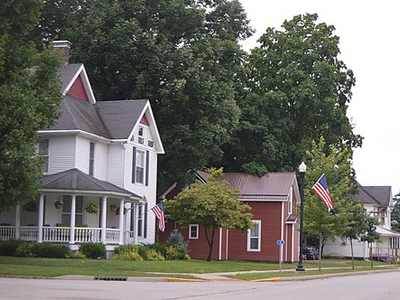
Covington is located on the banks of the Wabash River and at first glance looks like a quiet town in the Middle West. I like the mix of historical architecture and open nature – that gives interesting picture compositions immediately. There are enough for hobby photographers Sightseeing in Covington, which are worthwhile both in daylight and after dark. The city is small enough to reach everything on foot, but large enough to discover new angles.
I plan the shooting around the four golden light phases. The Civil Twilight begin to glow the first city lights – perfect for silhouettes. The Golden Hour delivers warm, soft light, which makes facades and river banks radiant. The Sunset over the few high-rise buildings on the outskirts creates dramatic colors in the sky. In Blue Hour I put on long-term exposures to dip the water and the lights into a deep blue. The map tool by poi‐travel.de, which is embedded under this text, shows the position of the sun, the azimuth and the exact direction – a real helper for lighting planning.
The City Park is the central Landmark for natural and urban photography. The Wabash Heritage Trail stretches along the river and offers wide water areas, old bridges and lots of green. In particular, Blue Hour reflective reflections that make the image alive.
Practical tips: The park is open daily from 6 a.m. to 2 p.m., free admission. For the best light in the morning a break is recommended just before sunrise, for the evening mood about an hour before sunset.
Insider: On the west side of the park there is a small wooden ridge that provides a great foreground element for long-term exposures when flooded.
This church is not only a place of prayer, but also a striking Landmark with a steep rock formation in the background. The combination of modern architecture and natural rock makes the motif particularly exciting.
Practical tips: Visitors can enter the site at any time, the interior is only open during Sunday worship. The best photos are taken Golden Hourwhen the light dips the facade into warm gold.
Insider: Behind the nave there is a small garden where you can catch dramatic perspectives with a wide-angle lens.
The memorial stone is a historical Landmarkto the forced relocation of the Potawatomi in 19th century reminiscent. The simple plate in front of an old oak offers a contemplative contrast to the surrounding fields.
Practical tips: The marker is located on the edge of the city park, is accessible around the clock and free of charge. For an expressive image, the dusk is recommended when the light turns the oak into silhouette.
Insider: If you use a telephoto lens, you can record the inscription in isolation and thus emphasize the historical detail.
This nature reserve is the largest Landmark in the surrounding area and houses an impressive limestone arch that protrudes over the river. The natural light that falls through the arc creates fascinating light beams.
Practical tips: opening hours from 7 am to sunset, admission 5 USD per person. Early in the morning there are hardly any visitors, ideal for clear pictures of the bow without people in the picture.
Insider: The path behind the arc leads to a small waterfall – a hidden highlight for long-term exposures during the Blue Hour.
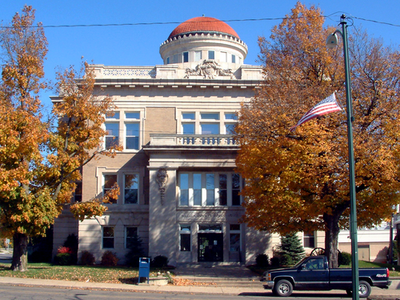
The historic court building is an architectural Landmark with an imposing dome and artistic columns. The facade reflects the light particularly well when the sun is deep.
Practical tips: The building is open from 9 a.m. to 5 p.m., free entrance. For the best picture Golden Hour you should look at the west side, where the light dips the dome into warm lights.
Insider: In the courtyard there is an old clock illuminated by night with a flashlight an interesting detail for Night Photography supply.
The historic city center is a collection of well-preserved buildings that together create a charming Landmark to form. Colorful facades, cobblestones and small cafés offer numerous photo motifs.
Practical tips: The District is open 24 hours a day, no entrance fees. The best shots arise in Blue Hourwhen the lights of the shop windows begin to shine.
Insider: On the main road there is an old railway warning signal that creates a cool light game at night when you catch it with a long exposure time.
The old iron bridge is a technical Landmark and a popular spot for city and landscape photography. The structure offers strong lines that lead the eye.
Practical tips: The bridge is accessible at any time, no entrance. For the most dramatic picture choose the Sunset- Phase when the light appears behind the arrows.
Insider: If you have a tripod, you can see the reflections in the river during the Blue Hour capture – the result almost surreal.
Covington combines historical Attractions with natural beauty, so you can find varied motifs all year round. Whether you're looking for the perfect sunset, a quiet Blue-Hour scene or interesting city shots – the city delivers. Pack your camera, use the map tool for the solar position and enjoy the variety of photo standpoints that Covington has to offer.
With the map tool, you can plan the ideal location for a photo online in advance – taking into account the sun's path and the surroundings.
Here's how it works:
Advantage:
You can assess light, perspective and location before visiting the site – ideal for photography, sunrises and sunsets.
To find the exact point where the sun disappears behind the skyline, use the azimuth display on poi-travel.de. In Covington, the sun travels further northwest below the horizon in summer, while in winter it takes a more southwesterly angle. With the embedded line on the map, you can determine your tripod position down to the metre.
| Phase | Characteristics | Top Attractions in Covington |
|---|---|---|
| Golden Hour | Warm, soft light; ideal for facades and rock formations. | Hanging Rock Christian Assembly, Fountain County Courthouse |
| Sunset | Dramatic colors, light behind structures. | Wabash River Bridge |
| Civil Twilight | First city lights, silhouettes. | Trail of Death Marker, Covington Historic District |
| Blue Hour | Deep blue, long term exposures, reflections. | Covington City Park & Wabash Heritage Trail, Portland Arch Nature Preserve, Covington Historic District, Wabash River Bridge |
| Photos | Settings (ISO/Blende/Zeit) | Professional tip |
|---|---|---|
| Hanging Rock Christian Assembly | ISO 200 / f/5.6 / 1/250 s | Use a light wide angle lens to capture the rock formation and the church together. |
| Fountain County Courthouse | ISO 100 / f/8 / 1/125 s | Position west to emphasize the dome in the warm light of the Golden Hour. |
| Wabash River Bridge | ISO 400 / f/11 / 2 s (Stativ) | On the tripod during the Blue Hour for reflective reflections in the water. |
| Trail of Death Marker | ISO 800 / f/4 / 1/60 s | Use a telephoto lens to record the silhouette of the oak and the inscription insulated. |
| Covington City Park & Wabash Heritage Trail | ISO 200 / f/5.6 / 5 s (Stativ) | Long-term exposure of the wooden bridge at flood for dramatic foreground reflections. |
| Portland Arch Nature Preserve | ISO 400 / f/8 / 8 s (Stativ) | Catch the light beams through the limestone arch; use the waterfall in the background for additional texture. |
| Covington Historic District | ISO 800 / f/2.8 / 10 s (Stativ) | Use the rail warning signal as a light source; long exposure captures the display window light. |
Only half an hour drive east is Terre Haute. The city looks a bit rough, but the old factory ruins on the Ohio River give surprisingly good contrasts for black and white recordings. There are also some abandoned graffiti walls that are well suited for street photography.
However, the real highlight is not the city centre, but the nearby Turkey Run State Park. The river swells through narrow canyons, the light breaks there often in slanted strips. It's a bit muddy, but that gives the pictures character.
A short detour to Clinton brings you to a small bridge over the Wabash. The wooden planks crack, the water reflects the clouds. It is not overrun, rather a place for people who like to work with little people in the picture.
Nevertheless, it is worth a look at Brazil, Indiana. There is an old railway museum that houses rusty wagons. The colors are peeled, the light is often diffused – perfect for atmospheric recordings.
In short, Shades State Park in the northwest offers dense forests and moss-covered rocks. The path is sometimes a bit angled, but that makes for interesting perspectives if you don't shy, a bit to walk.
Another tip: Greencastle, a little further north. The university has an old campus with brick buildings that look a bit weathered in autumn. It's okay, but not too touristy, so you have room for experiments.
Villages, towns, districts, places and Vacation destinations you should visit.
©copyright by POI-Travel.de
info@poi-travel.de