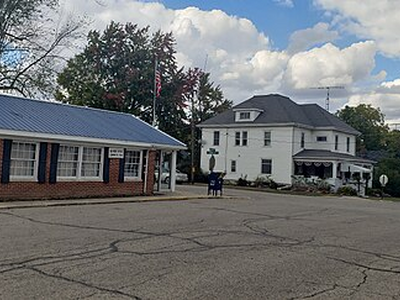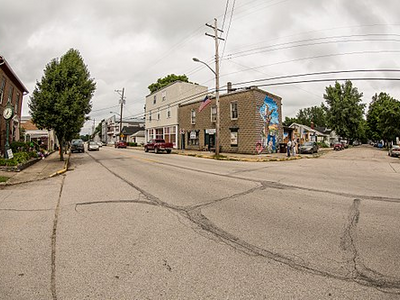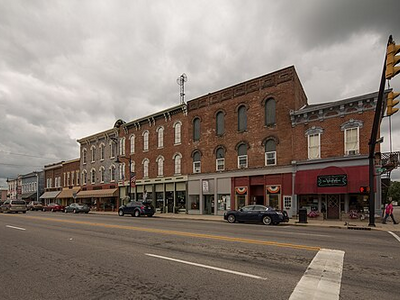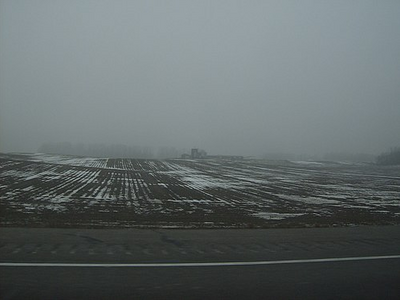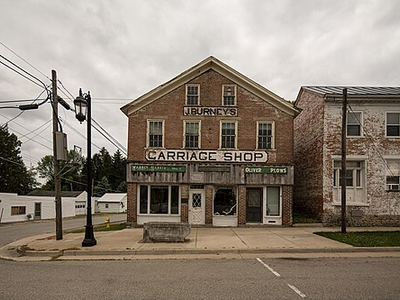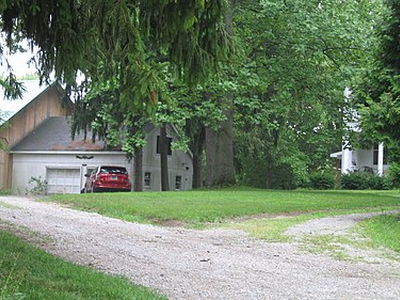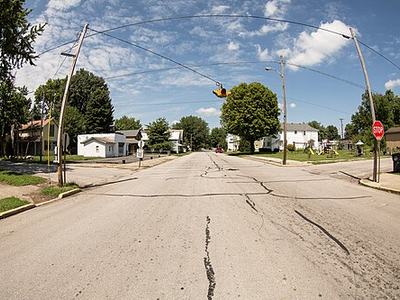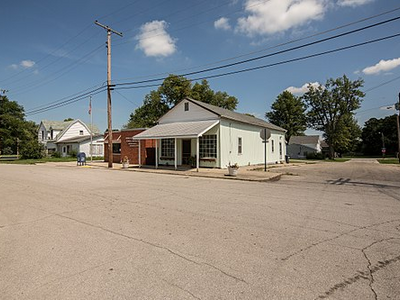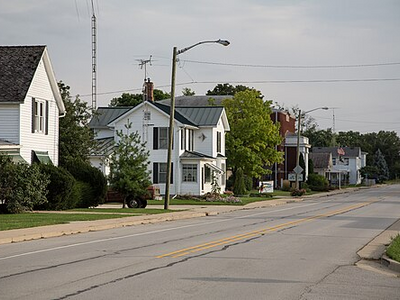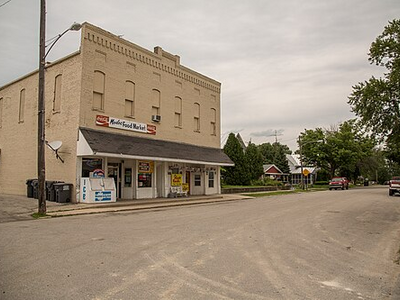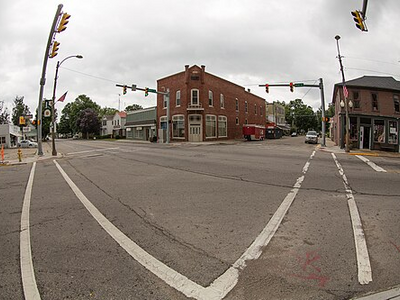
Hagerstown is a small town in the east of Indiana, which surprisingly has a lot to offer when you're on the road with the camera. The mixture of rural fields, old timber structures and a few hidden nature paradises makes the photographing here a small adventure. I like Hagerstown because people here look relaxed and you are rarely disturbed by tourist crowds. The Sightseeing in Hagerstown can be captured well at any time of day – from the first lights to the deep blue night.
I plan to shoot the picture that best captures the mood of the city. I use the different light phases for this:
A useful tool is the map tool of poi‐travel.deembedded under this text. There you can calculate the sun position, display the direction as a line and read the azimuth (horizontal angle) for the optimal alignment of the camera.
This nature reserve is the main attraction for nature lovers and photographers looking for unspoiled landscapes. The Preserve offers dense forests, small streams and open meadows that immerse in a colourful game in autumn. The paths are well marked, so you can easily reach the best viewing points. Opening hours: all year round, no entry. Best photo time: early morning hours in summer when the light breaks through the canopy. Insider tip: A short trip to the old wooden ridge on the western end provides a great motif with reflections in the water.
The Community Park is a popular Landmark for families and at the same time offers numerous photo opportunities. The central pond reflects the light of the sun, while the play equipment produces interesting silhouettes in counterlight. The park is open daily from 6 a.m. to 2 p.m., free admission. For the best picture, the Blue Hour is recommended when the lights shine at the edge of the pond. Inside evidence: On the north side there is a small pavilion from which you can catch the sunset over the trees.
This camp is located just outside the city, but is a real secret tip for landscape and night photography. The open meadow in front of the log cabins offers a wide view of the sky, ideal for stars and Milky-Way recordings. The camp is open from May to September, entrance 5 USD per person. The best hours are the late evening hours when the light of the campfires dips the scene into a warm light. Insider tip: The old wooden ridge at the small lake in the north of the camp provides a perfect foreground element for long-term exposures.
Although the museum is technically located outside Hagerstown, it is a must for aviation fans and offers an interesting historical ambience. The red brick building and original aircraft create strong contrasts, especially at the Golden Hour. Opening hours: Tuesday to Sunday, 10 a.m.–16 a.m., admission 7 USD. For photos, the time before closing is recommended when the light falls through the high windows. Insider proof: In the backyard there is an old aircraft stand that has a particularly dramatic effect on counterlight.
This small museum preserves the local history and is an underestimated photo pot. The old furniture, glass windows and the original wooden staircase offer numerous details that come out with proper lighting. The museum is open from 9 a.m. to 5 p.m. on Monday to Saturday. The best shots are created in the Civil Twilight when the natural light falls through the windows and illuminates the exhibits. Insider tip: In the cellar there is an old printer press that produces a great vintage feeling with weak light.
Hagerstown combines quiet rural sceneries with charming historic buildings, so you can find varied motifs all year round. The Sightseeing in Hagerstown offer both nature and culture lovers ideal photos, from the Golden Hour to the Blue Hour to nightly long exposures. If you are looking for a relaxed environment that still provides enough pictures, you will not be disappointed here.
With the map tool, you can plan the ideal location for a photo online in advance – taking into account the sun's path and the surroundings.
Here's how it works:
Advantage:
You can assess light, perspective and location before visiting the site – ideal for photography, sunrises and sunsets.
To find the exact point where the sun disappears behind the skyline, use the azimuth display on poi-travel.de. In Hagerstown, the sun travels further northwest below the horizon in summer, while in winter it takes a more southwesterly angle. With the embedded line on the map, you can determine your tripod position down to the metre.
| Phase | Characteristics | Top Attractions in Hagerstown |
|---|---|---|
| Golden Hour | Warm, soft light shortly after sunrise or before sunset – ideal for warm colors and long shades. | Steve Swoveland Nature Preserve; Wilbur Wright Birthplace Museum; Hagerstown Historical Society Museum |
| Sunset | Intense colors in the sky, long shadows, dramatic heavens. | Hagerstown Community Park; Wilbur Wright Birthplace |
| Civil Twilight | Twilight after sunset, city lights begin to shine – good silhouettes. | Steve Swoveland Nature Preserve; Hagerstown Historical Society Museum |
| Blue Hour | Deep blue light after sunset, ideal for long-term exposures and lights. | Hagerstown Community Park; Camp Wapi Kamigi |
| Photos | Settings (ISO/Blende/Zeit) | Professional tip |
|---|---|---|
| Steve Swoveland Nature Preserve | ISO 200 / f/8 / 1/125 s | Use counterlight through the canopy for silhouettes on the old wooden web. |
| Hagerstown Community Park | ISO 400 / f/5.6 / 1/60 s | Position yourself at the North Pavilion to capture the reflections in the pond during sunset. |
| Camp Wapi Kamigi | ISO 800 / f/2.8 / 20 s (Stativ) | Use the old wooden ridge in the foreground and focus on infinity for stars and Milky-Way recordings. |
| Wilbur Wright Birthplace | ISO 100 / f/11 / 1/200 s | Photographer the brick building in counterlight to highlight dramatic shadows and the aircraft stand. |
| Hagerstown Historical Society Museum | ISO 400 / f/4 / 1/30 s | Use the incident light of the Civil Twilight through the windows to emphasize details like the old printer press. |
Madison is a bit south of the Ohio River. The old brick buildings on the main square almost look like a film set, especially when the light passes from the river. On the Riverfront Park there are open areas where you can catch the sunrise over the water – a bit of fog, a bit of reflection, that is enough for a strong picture.
However, Corydon is not only the old capital, but also a collection of weathered wooden houses and a small but fine bridge over the Blue River. The road that leads through the city center has this slightly sloping perspective that brings photos a little out of balance – just what you sometimes look for.
New Albany is located directly opposite Louisville. The skyline there looks a little overloaded, but the old factory ruins on the Riverside offer rough textures. When you are there in the evening, you catch the orange light of the city lights that are reflected in the river. This is not necessarily a classic postcard motif, but it has character.
Jeffersonville has a small but fine port area. The wooden stacks that store there form interesting lines. You can shoot down from the bridge and let the ships blur easily in the background – a bit of depth, a bit of movement.
If of the Ohio State Park, a little further east, is famous for its fossils, but for photographers the riverbed is a natural pattern carpet. The water flowing over the rocks produces small vertebrates, which look almost like painting during prolonged exposure.
The Hoosier National Forest offers more than just trees. On the remote forest trails you will find abandoned hunting lodges whose wood is covered by moss. The light that breaks through the canopy throws spun shadows – perfect for atmospheric recordings.
Bloomington's limestone quarries look industrial at first glance, but the scary walls and the play of light and shadow give them almost a sacral atmosphere. If you are there early in the morning, you can catch the warm light that emphasizes the cracks in the stone.
Nevertheless, a short trip to Louisville, Kentucky is worth it. The city has a surprisingly lively street art scene. Graffiti at old warehouses, colorful Murals in the neighborhoods and the urban flair offer a strong contrast to the rural motifs further north.
Villages, towns, districts, places and Vacation destinations you should visit.
©copyright by POI-Travel.de
info@poi-travel.de